


Loose Sukkari Sweet Chestnuts | TAIXIN Chestnut for Roasting & Baking
- Worldwide shipping
- Guarantee defective rate below 0.5%.
- Carbon neutral
- Secure payments
Product Description
Product Description
1. Loose Sukkari Sweet Chestnuts for Middle Eastern Markets
Sweet Chestnuts for Roasting, Baking, and Food Applications
Sweet chestnuts are valued for their distinctive natural flavor and versatility in food preparation. For buyers serving Middle Eastern markets, loose Sukkari chestnuts and TAIXIN chestnuts offer product options to consider for roasting, baking, and other commercial food applications.
This product range is intended for professional buyers looking for quality chestnuts that fit their processing needs, product positioning, and local market preferences.
Product Highlights
-
Sweet Chestnut Positioning: Focused on buyers seeking sweet chestnuts for culinary and commercial applications.
-
Middle Eastern Market Focus: Developed for sourcing discussions with importers, wholesalers, food distributors, and food-service businesses serving the region.
-
Roasting Applications: Suitable for evaluating in roasting-oriented product lines, subject to the selected product specification and preparation method.
-
Baking Applications: Can be considered for bakery and other food applications where chestnuts are an ingredient.
-
Product Selection: Sukkari and TAIXIN chestnuts can be discussed according to the buyer’s required variety or commercial specification.
For Professional Chestnut Buyers
When evaluating chestnuts for roasting or baking, buyers should consider the intended application, preferred flavor profile, size requirements, and processing method. Confirming these factors at the inquiry stage helps determine whether the selected chestnut specification fits the intended product.
Product identity, available grades, and application suitability should be confirmed before an order is finalized.
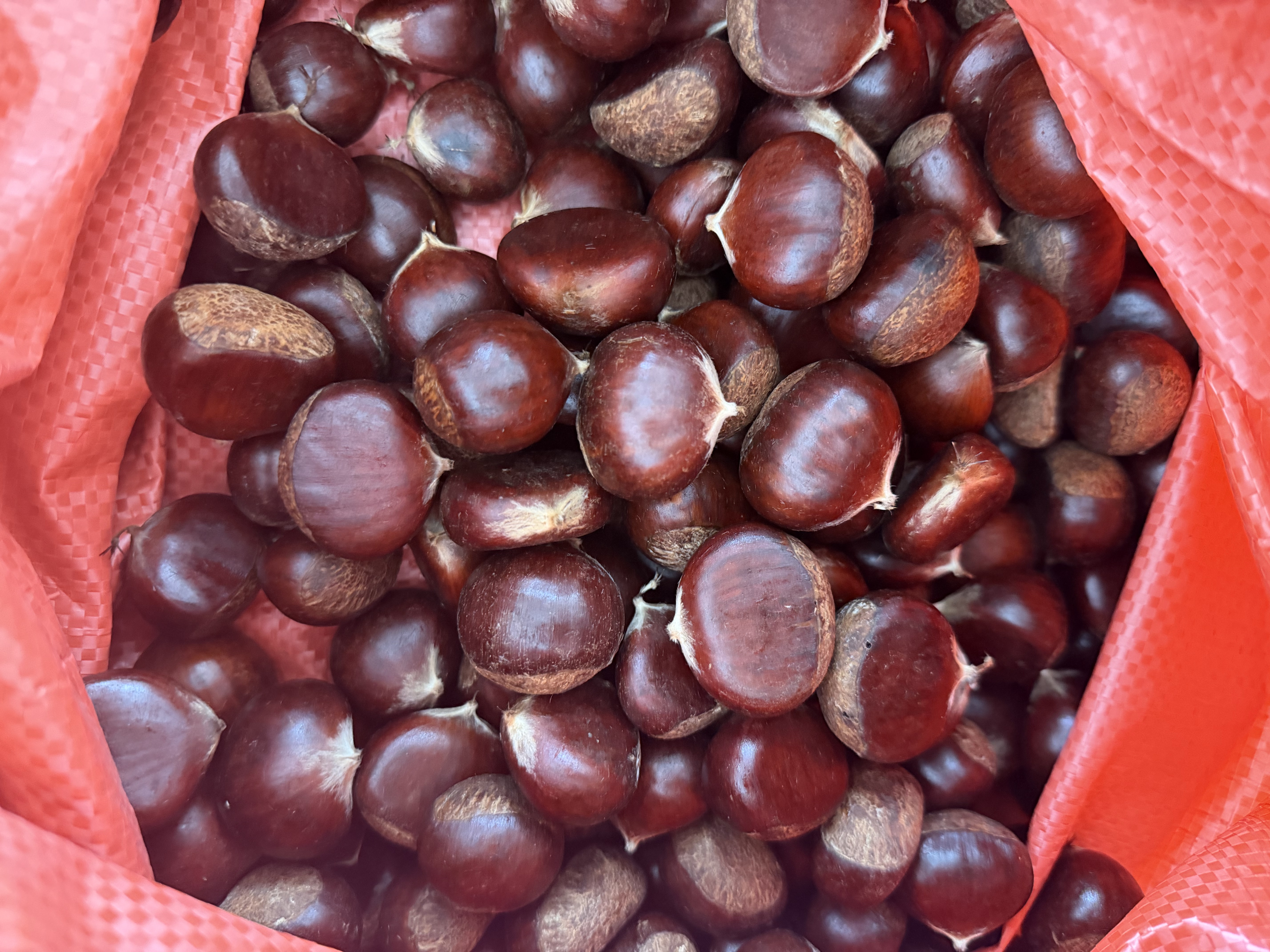
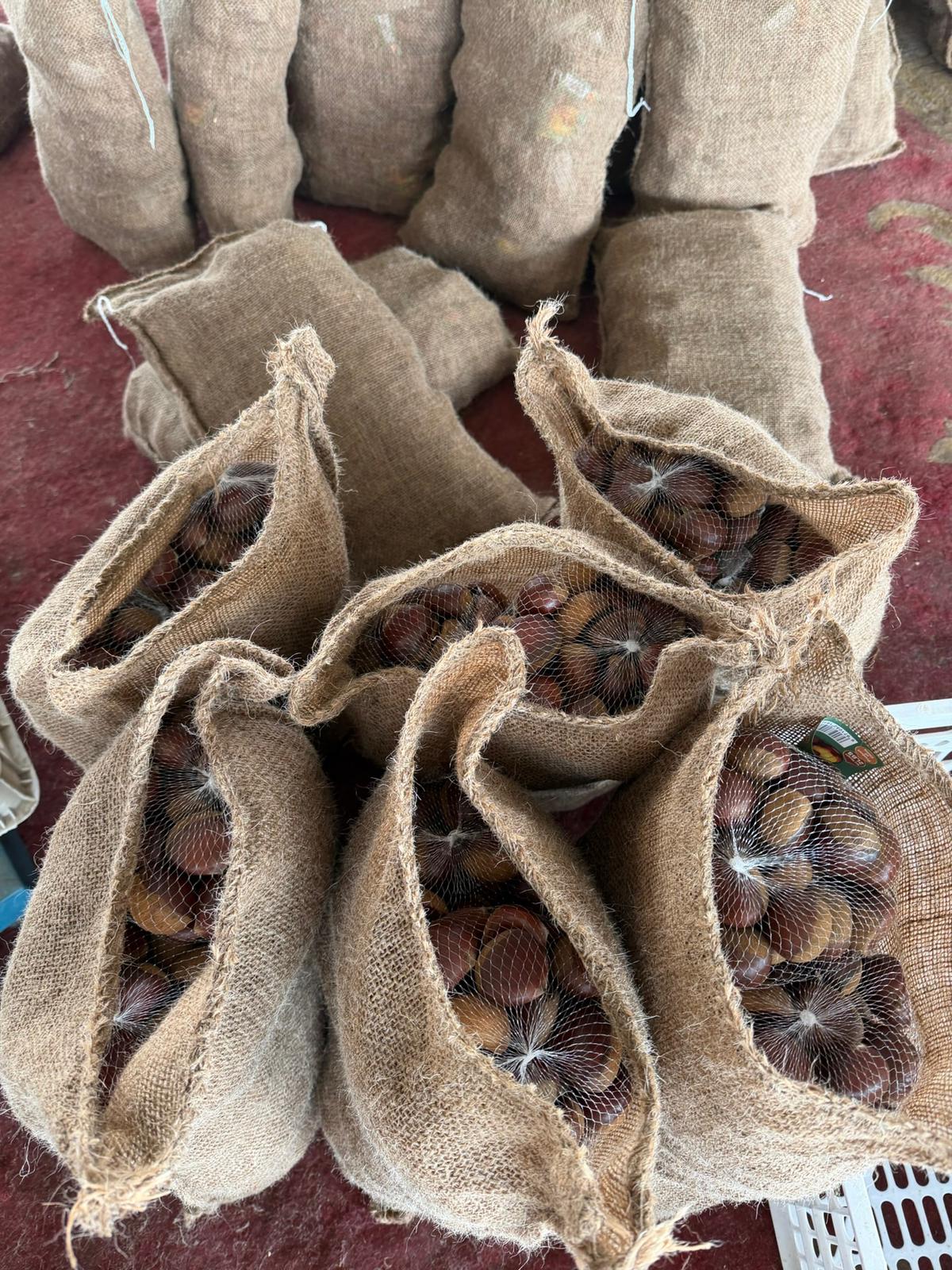
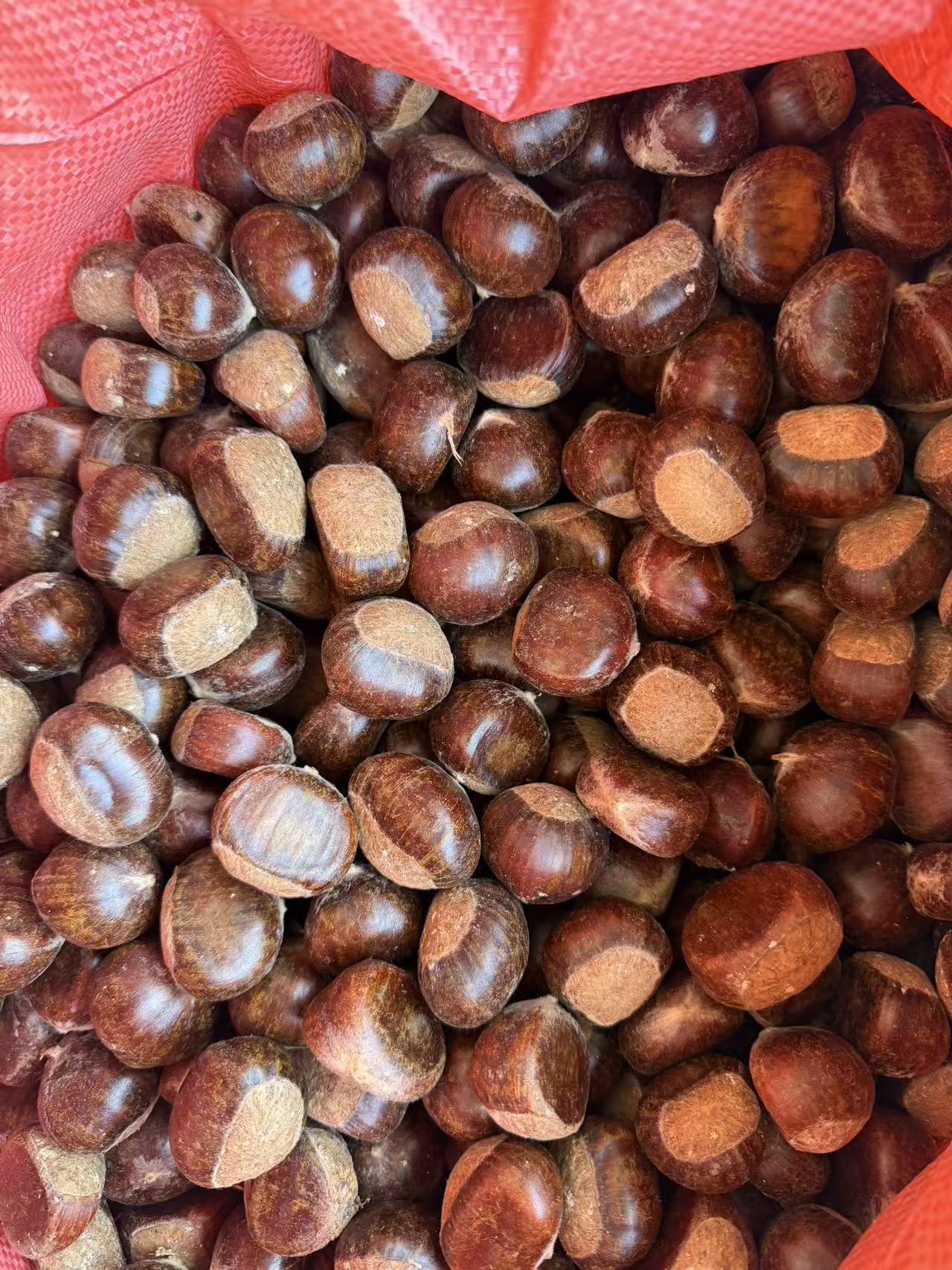
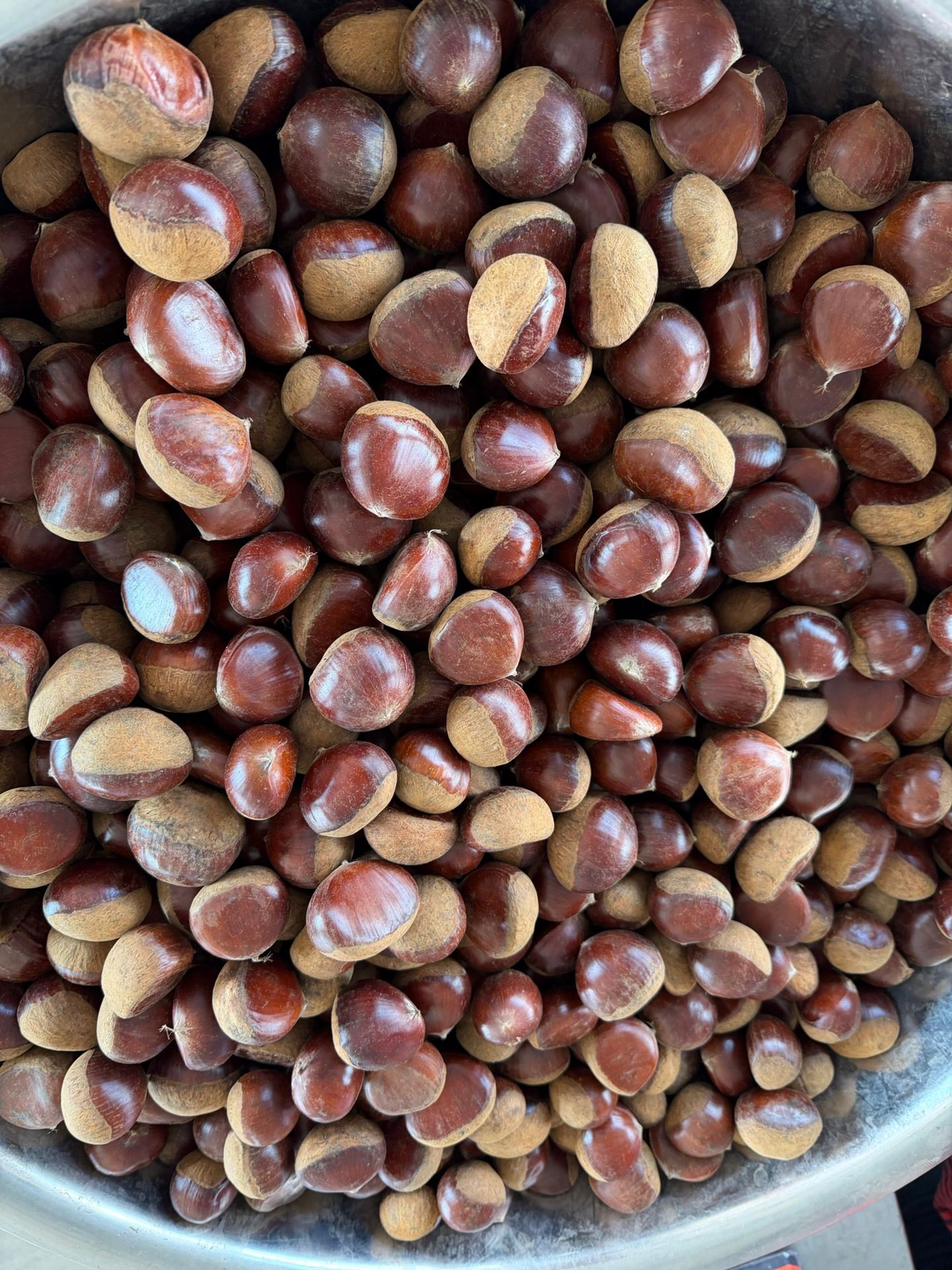
2. Sweetness, Product Characteristics & Quality
Natural Sweetness and Quality-Focused Selection
Sweetness is an important consideration when selecting chestnuts for commercial food applications. Buyers evaluating Sukkari or TAIXIN chestnuts should consider the characteristic flavor of the product alongside its physical condition, consistency, and suitability for the intended preparation process.
Chestnut quality can vary with variety, growing conditions, harvest maturity, post-harvest handling, and storage. A clear product specification helps buyers evaluate whether a particular lot meets their expectations.
Key Product Characteristics
-
Flavor Profile: Sweetness and overall flavor should be assessed using representative samples of the actual product.
-
Physical Appearance: Evaluate shell condition, visible defects, and general product appearance against the agreed quality criteria.
-
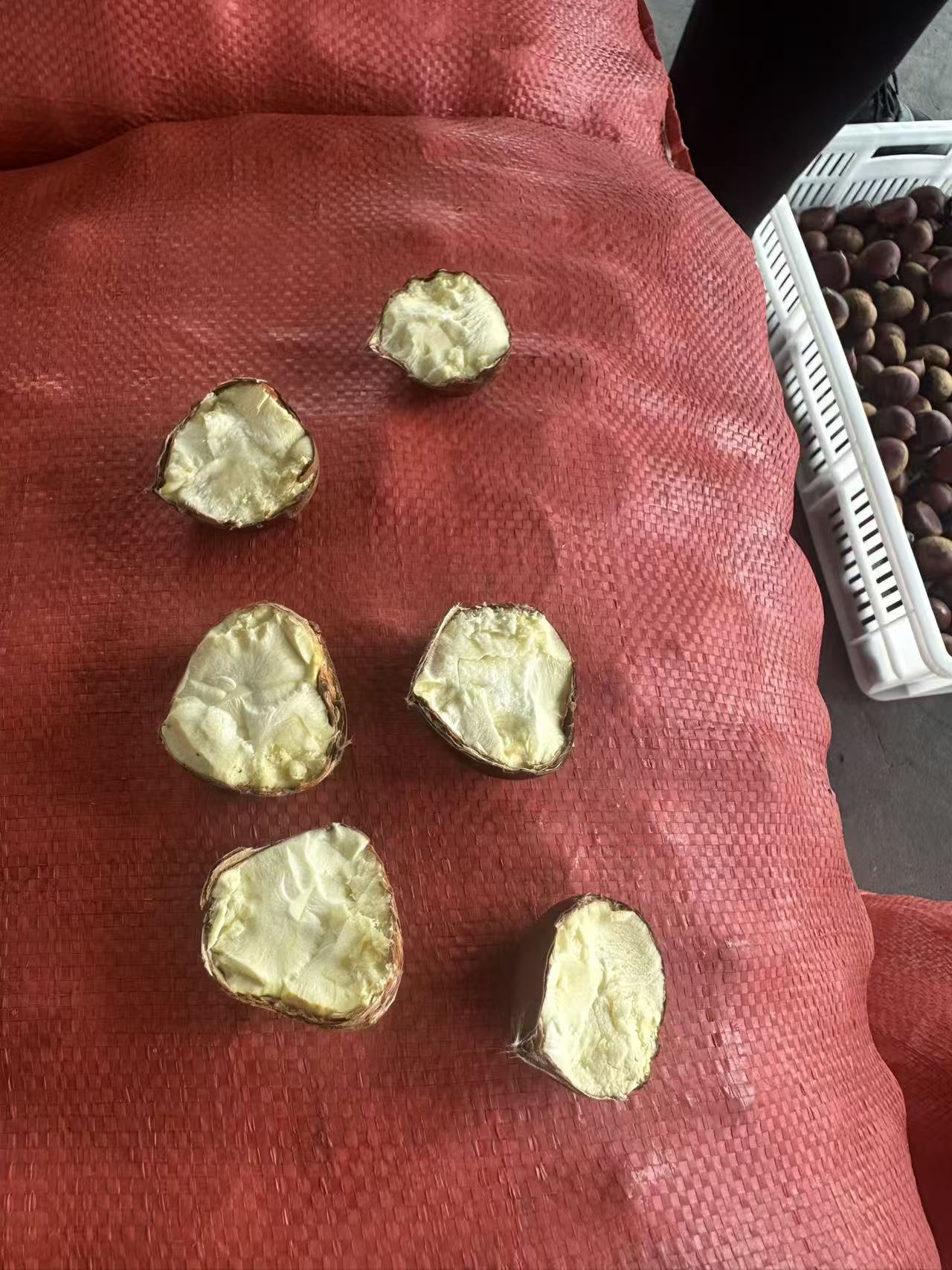
Kernel Condition: Internal kernel quality is an important consideration when assessing chestnuts for food preparation.
-
Size Consistency: Consistent grading can help buyers manage processing requirements and finished-product presentation.
-
Lot-to-Lot Consistency: Agreed specifications and appropriate inspection procedures help establish a clearer quality reference for repeat purchases.
Quality Assessment Before Purchase
For buyers with specific flavor or processing expectations, product samples and agreed acceptance criteria can provide a practical basis for evaluation. Where sweetness is a critical requirement, the parties should agree on an appropriate assessment method rather than relying on a general product description alone.
The final quality specification should be confirmed according to the actual product, available grade, and intended use.
3. Roasting & Baking Performance
Chestnuts Selected for Processing Applications
Choosing the right chestnut specification is an important step in developing consistent roasted and baked products. The preferred size, kernel condition, moisture characteristics, and preparation method can all influence processing results.
Sukkari and TAIXIN chestnuts can be evaluated according to the requirements of the intended application, with final suitability confirmed through product sampling and processing trials.
For Roasting Applications
When assessing chestnuts for roasting, buyers and processors should consider:
-
Size Uniformity: More consistent sizing can help coordinate preparation and roasting batches.
-
Shell Preparation: The appropriate shell-cutting or preparation method should be established before roasting.
-
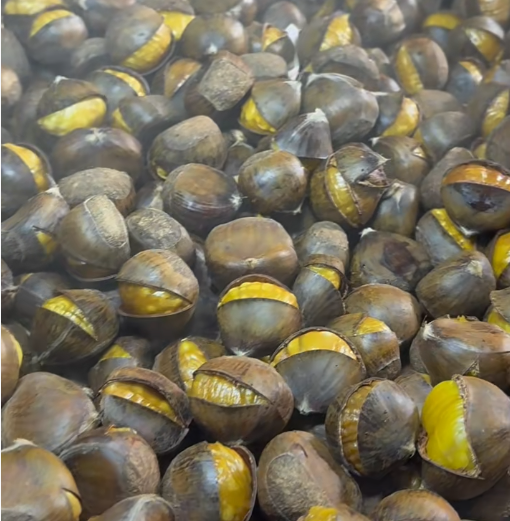
Kernel Texture: Evaluate the cooked kernel for the texture preferred by the target market.
-
Flavor After Roasting: Assess the flavor and overall eating quality after applying the intended roasting method.
-
Processing Consistency: Conduct trial batches to determine suitable preparation and roasting conditions for the selected product.
For Baking Applications
For bakery and ingredient applications, selection criteria may differ depending on the finished product. Processors should assess:
-
Kernel Integrity: Whether the kernels maintain the required shape during preparation.
-
Texture After Cooking: Whether the resulting texture fits the intended recipe.
-
Flavor Compatibility: How the chestnut flavor works with the other ingredients.
-
Preparation Efficiency: The effort required for shelling, peeling, cutting, or other preliminary processing steps.
Validate Performance Before Production
Roasting and baking results depend on the chestnut specification, initial product condition, equipment, temperature, processing time, and recipe. A practical product trial is recommended before large-scale production to establish the appropriate preparation method and confirm the desired finished-product characteristics.
Buyers can share their processing method and end-product requirements when discussing the most suitable chestnut specification.



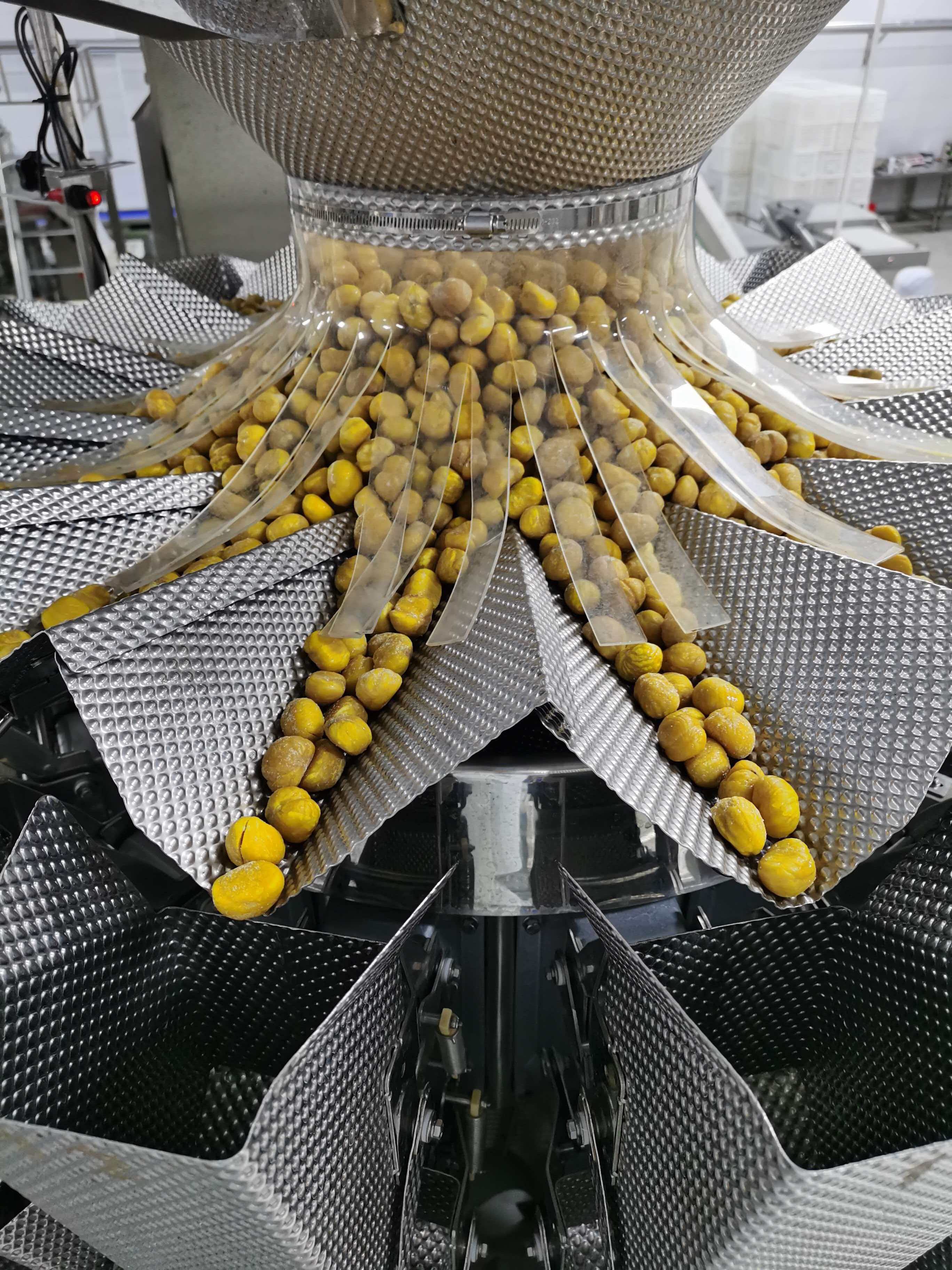
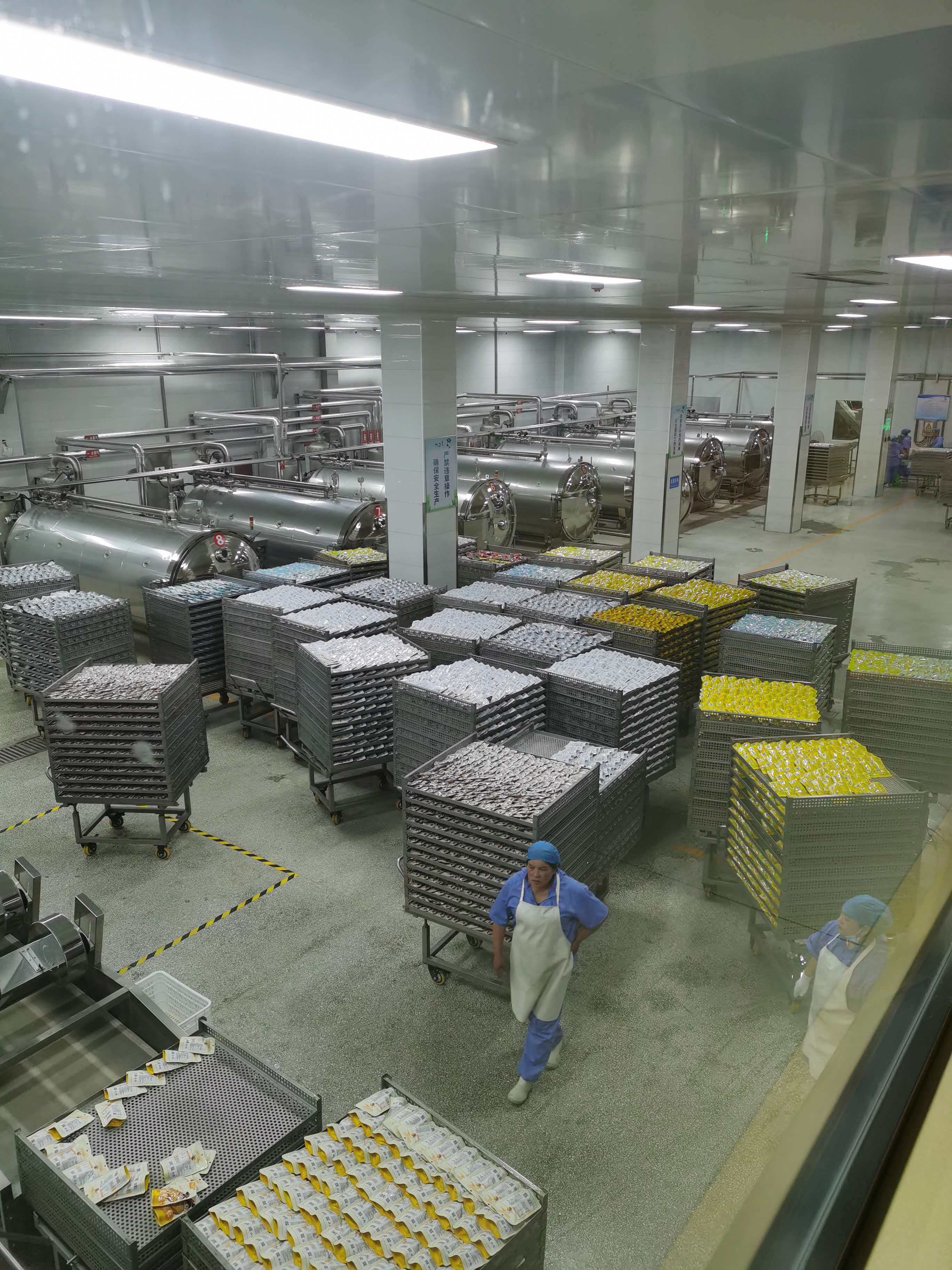
4. Product Specifications & Size Selection
Select the Right Chestnut Specification for Your Business
Chestnut size and product specifications should be matched to the buyer’s processing requirements, purchasing standards, and intended finished product. Before confirming an order, buyers should establish a clear specification for the selected Sukkari or TAIXIN chestnut product.
Product Specification Reference
| Specification | Details |
|---|---|
| Product Category | Sweet chestnuts |
| Product Name | Sukkari chestnuts / TAIXIN chestnuts, subject to product confirmation |
| Product Form | To be confirmed according to the selected product |
| Size Grade | To be confirmed based on available grading specifications |
| Quality Criteria | To be agreed before order confirmation |
| Intended Processing | Roasting, baking, or other agreed applications |
| Origin | To be confirmed for the selected product |
| Packaging Specification | To be confirmed according to the order |
| Supply Availability | Subject to current availability and order requirements |
Size Selection and Grading
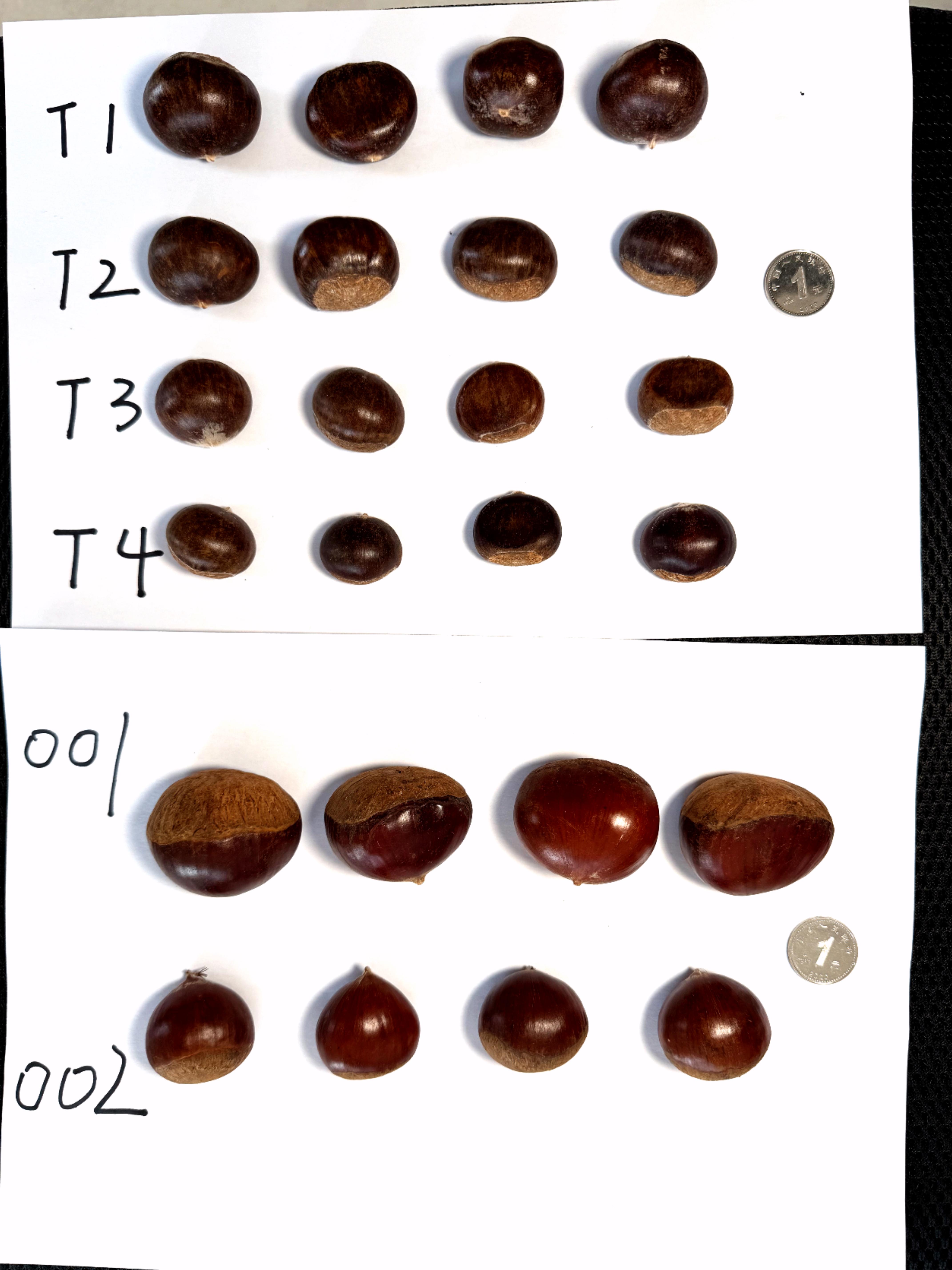
Chestnuts may be graded by the number of pieces per kilogram or by another agreed commercial sizing standard. When using a pieces-per-kilogram specification, fewer pieces per kilogram generally indicate a larger average chestnut size.
The suitable grade depends on the buyer’s requirements and the intended processing method. Please confirm the preferred grading standard before requesting a final quotation.
Confirm the Specification Before Ordering
The final product specification should identify the product name, size grade, quality requirements, product form, packaging, and any additional inspection criteria. All details should be reviewed and agreed upon before the order is finalized.
5. Middle East Market & Buyer Applications
Sweet Chestnuts for Regional Food Businesses
Sweet chestnuts can serve a range of commercial food applications across Middle Eastern markets. Buyers may evaluate different chestnut products according to local consumer preferences, preparation methods, distribution channels, and the requirements of their own product lines.
For importers and distributors, selecting the appropriate product specification is an important step in developing a chestnut offering that fits their target customers.
Potential Buyer Segments
-
Fresh Produce Importers and Wholesalers: Businesses sourcing chestnuts for resale to regional distributors, retailers, and produce markets.
-
Food-Service Operators: Restaurants, catering businesses, and other professional kitchens evaluating chestnuts for menu preparation.
-
Roasted Chestnut Businesses: Buyers sourcing suitable raw materials for their own roasting operations.
-
Bakeries and Food Manufacturers: Businesses assessing chestnuts as ingredients for baked goods and other food products.
-
Food Distribution Companies: Importers and distributors developing product ranges for retail and commercial customers.
Match Product Selection to Your Market
Different buyers may have different requirements for chestnut size, flavor, preparation, packaging, and order quantity. Rather than assuming that one specification suits every market, buyers should identify their intended application and confirm the relevant product requirements before purchasing.
For businesses serving multiple customer segments, comparing available grades and conducting application trials can help determine which specification best fits each sales channel.
Information for Regional Buyers
When discussing a potential order, buyers should identify the destination country, intended application, preferred product specification, estimated quantity, and required delivery schedule. These details provide a practical starting point for assessing product suitability and supply options.
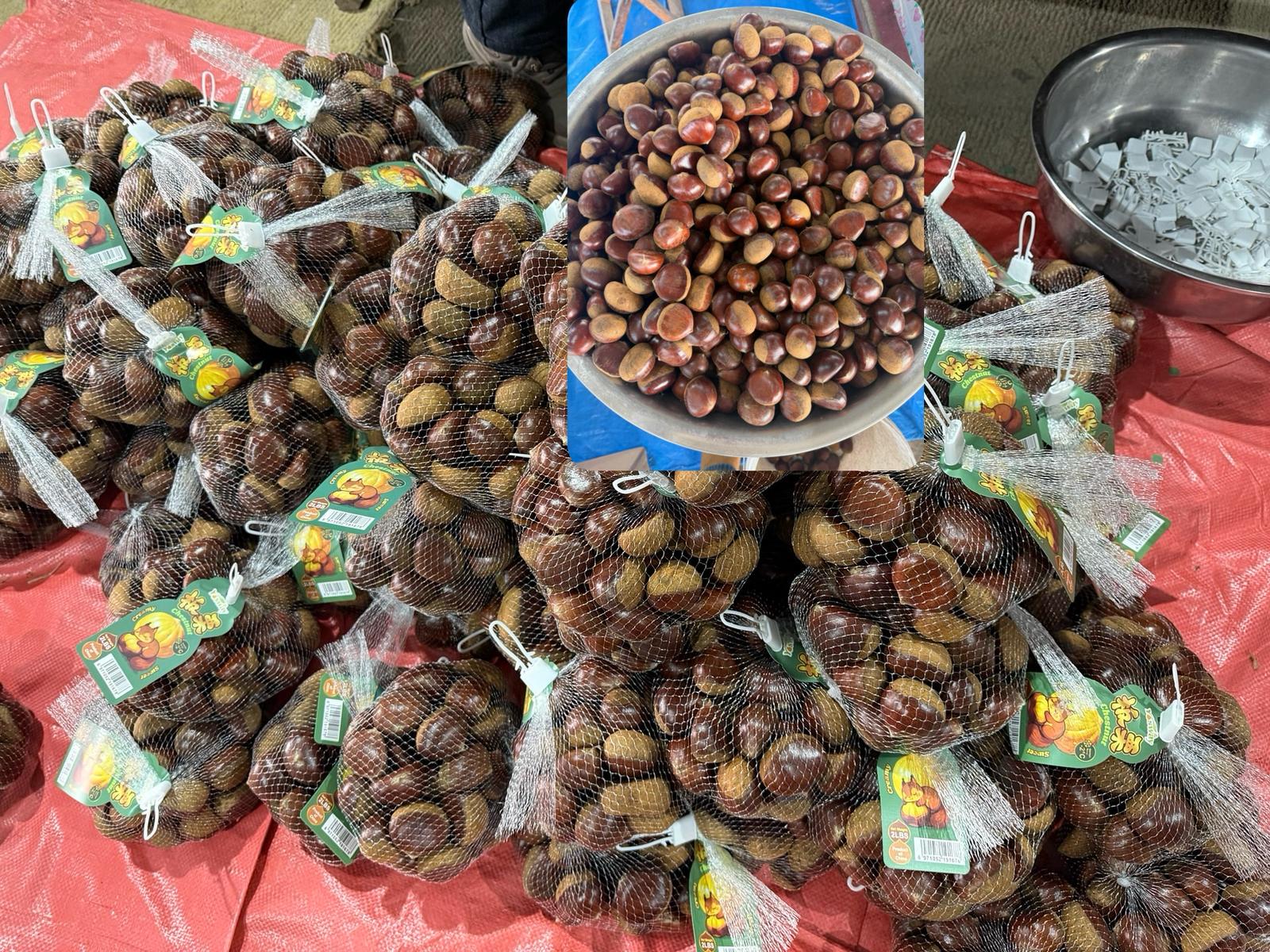
6. Packaging & Commercial Supply Options
Flexible Supply Options for Business Buyers
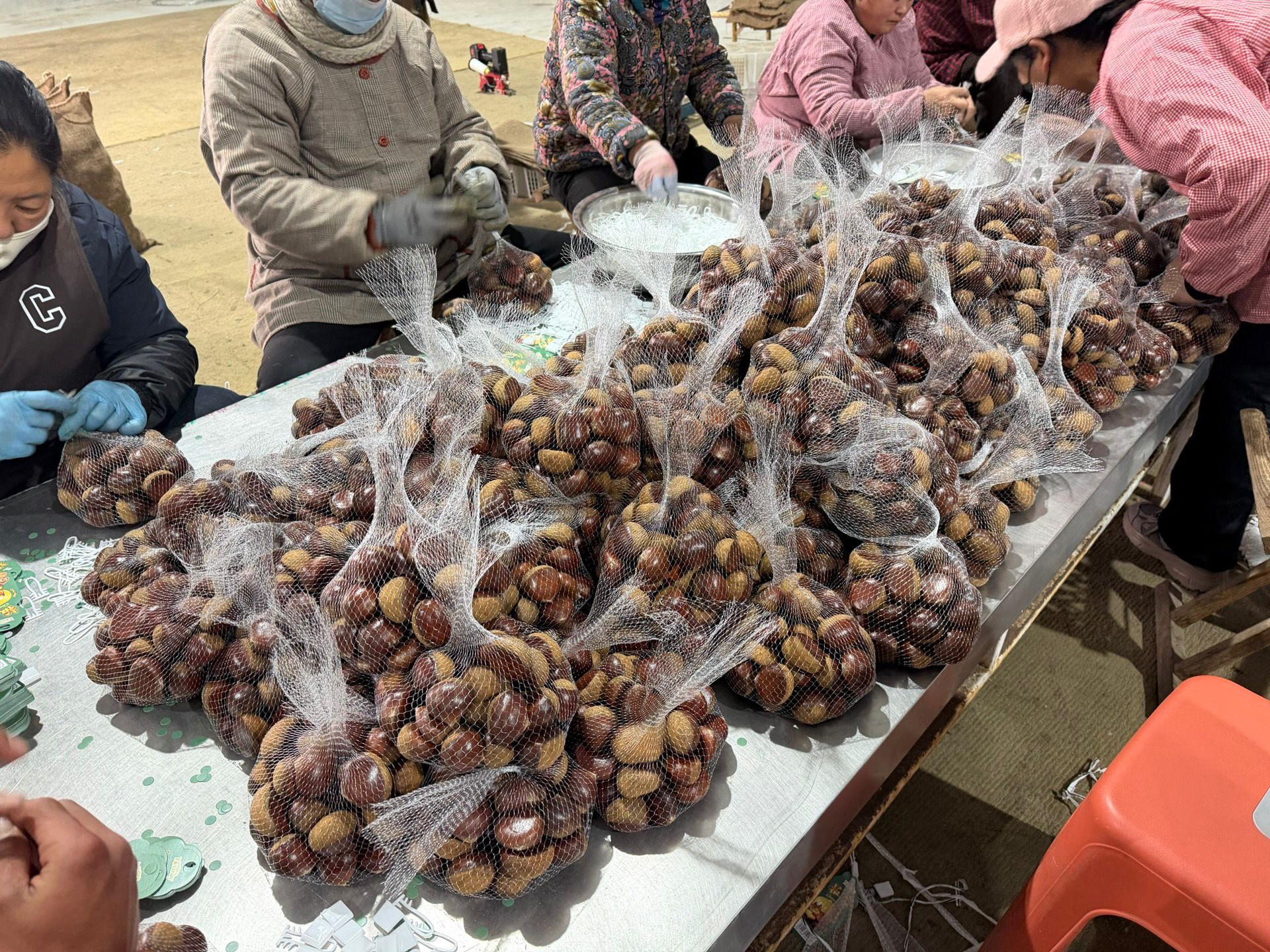
Packaging and supply arrangements should reflect the buyer’s distribution model, product handling requirements, and intended use. For businesses sourcing Sukkari or TAIXIN chestnuts, the appropriate commercial format should be confirmed according to the actual product and order requirements.
Packaging and Supply Considerations
-
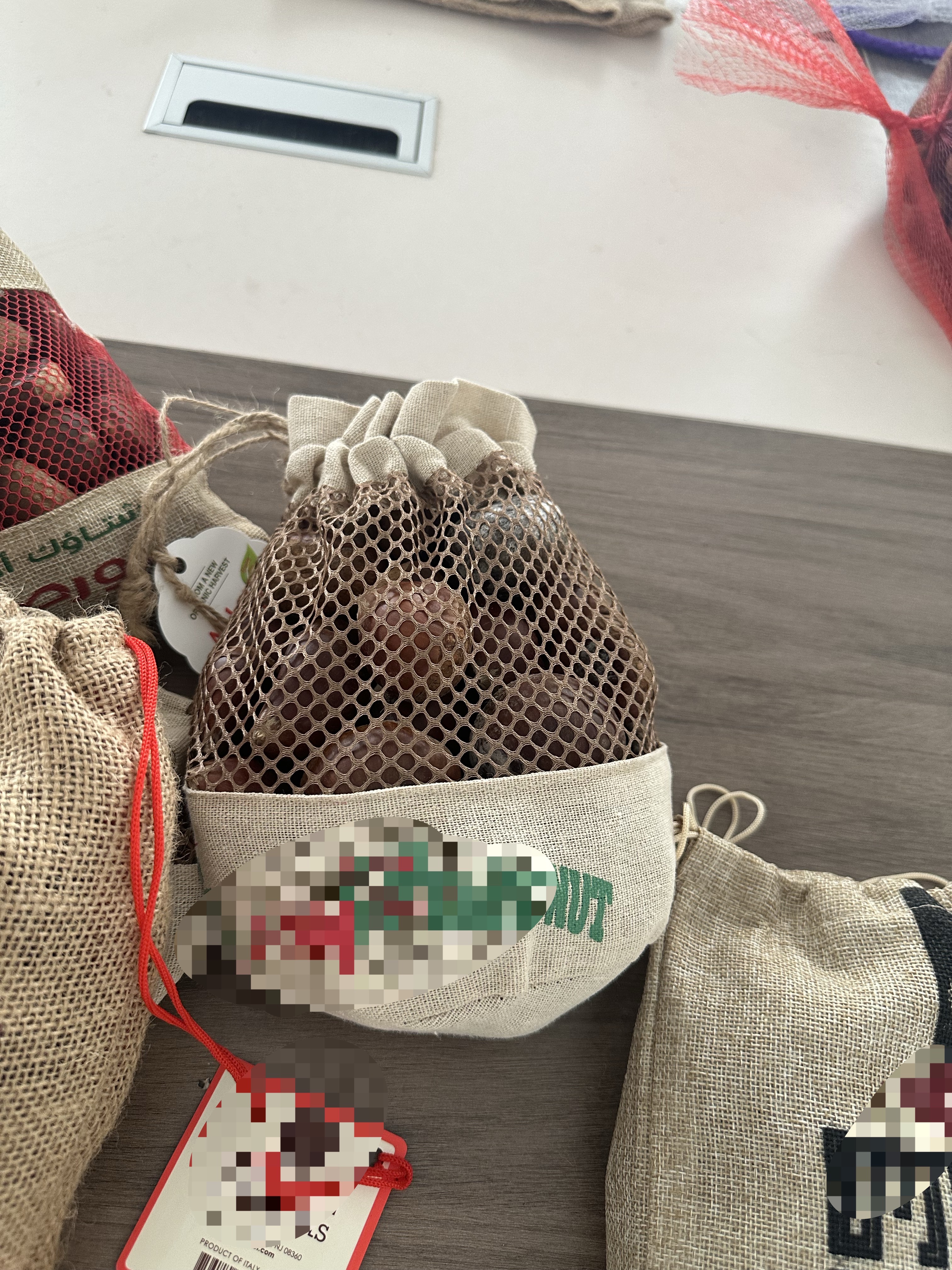
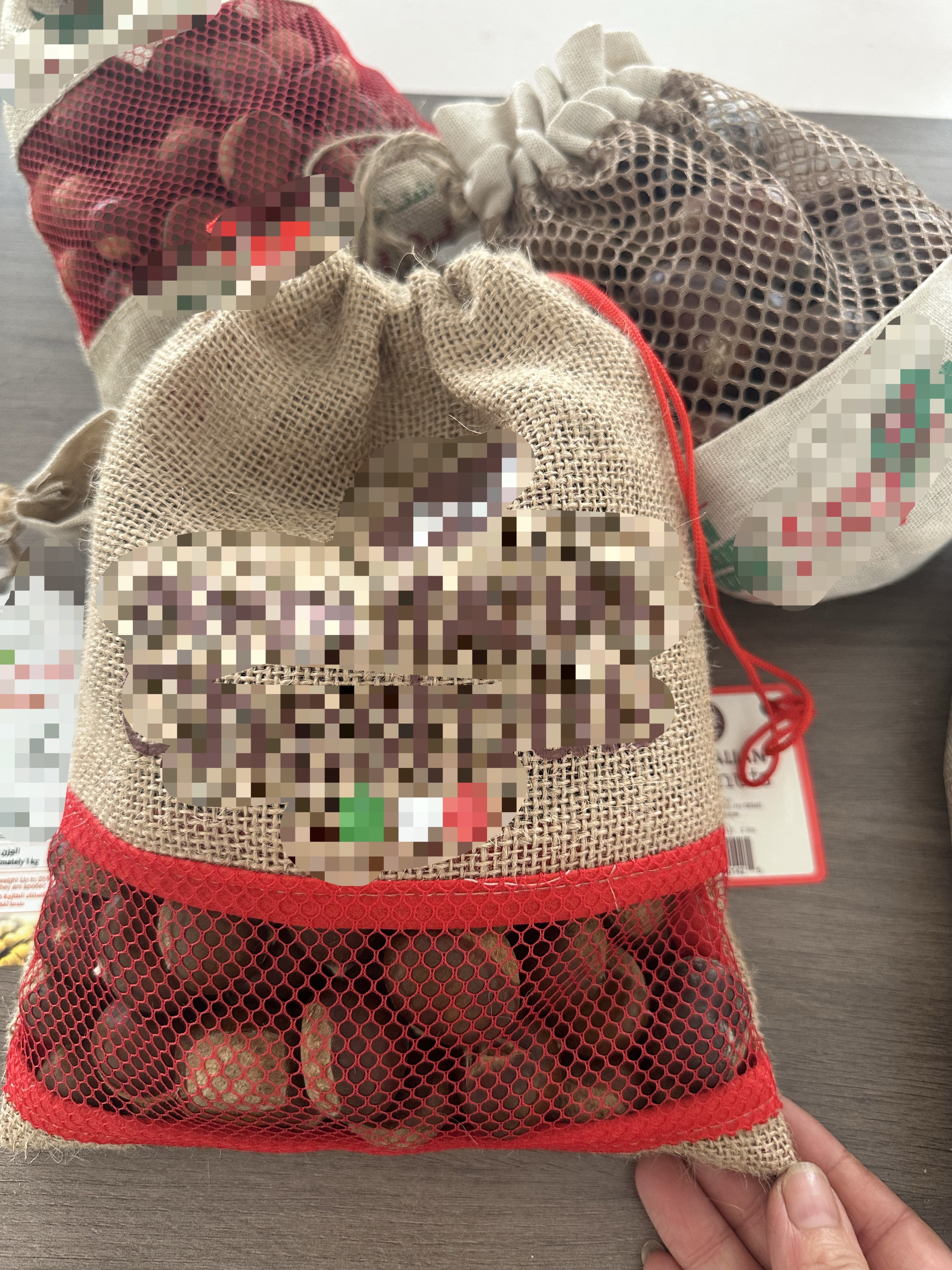
Product Presentation: Confirm whether the required product is supplied loose, in retail-ready packs, or in another agreed commercial format.
-
Packaging Materials: Select suitable packaging according to product condition, handling requirements, transportation method, and destination-market needs.
-
Net Weight and Packing Units: Establish the required net weight per package and the number of units per outer carton or sack before order confirmation.
-
Labeling Requirements: Confirm product identification, net weight, origin information, and other applicable label details.
-
Commercial Order Planning: Discuss estimated quantity, delivery schedule, and supply availability according to the buyer’s purchasing plan.
Confirm the Right Format for Your Business
Different sales channels may require different packing and handling arrangements. Importers supplying wholesale customers may prioritize bulk handling, while businesses selling through retail channels may need individual consumer packs and market-specific labeling.
The final packing format, materials, labeling details, and order quantity should be agreed upon before production or shipment preparation.
Information to Include in Your Packaging Inquiry
Please specify your preferred product presentation, package weight, packaging material, labeling requirements, destination market, and estimated order quantity. These details help establish a clear basis for reviewing the available commercial supply options.
7. Quality Control & Product Consistency
A Clear Quality Reference for Every Order
For commercial chestnut buyers, consistent product specifications are important when planning processing, distribution, and repeat purchasing. Establishing clear quality criteria before an order is finalized helps both parties work toward the same product expectations.
For Sukkari and TAIXIN chestnuts, quality requirements should be defined according to the selected product, agreed grade, and intended application.
Key Quality Checkpoints
-
Product Identification: Confirm the product name and agreed commercial specification before order preparation.
-
Appearance Inspection: Assess visible defects, shell condition, and general appearance against the agreed acceptance criteria.
-
Size Grading: Verify that the selected lot meets the agreed sizing standard and grading requirements.
-
Product Condition: Evaluate the condition of the chestnuts according to the agreed product form and quality requirements.
-
Batch Consistency: Compare the prepared lot with the confirmed specification to help minimize discrepancies between the order requirements and the supplied goods.
-
Pre-Shipment Confirmation: Review the agreed product details and any applicable inspection requirements before dispatch.
Agree on Quality Standards Before Ordering
Quality expectations should be documented clearly rather than relying on general descriptions such as “premium quality” alone. Buyers may specify grading tolerances, acceptable defect levels, inspection methods, sampling procedures, and other relevant criteria according to their purchasing standards.
Where flavor or processing performance is critical, representative samples and agreed evaluation methods can provide an additional reference before larger-scale purchasing.
Supporting Repeat Orders
Maintaining a consistent specification across purchasing cycles helps buyers compare incoming lots and manage their own production or distribution requirements. Any changes in product grade, quality criteria, or other agreed specifications should be reviewed before the next order is confirmed.
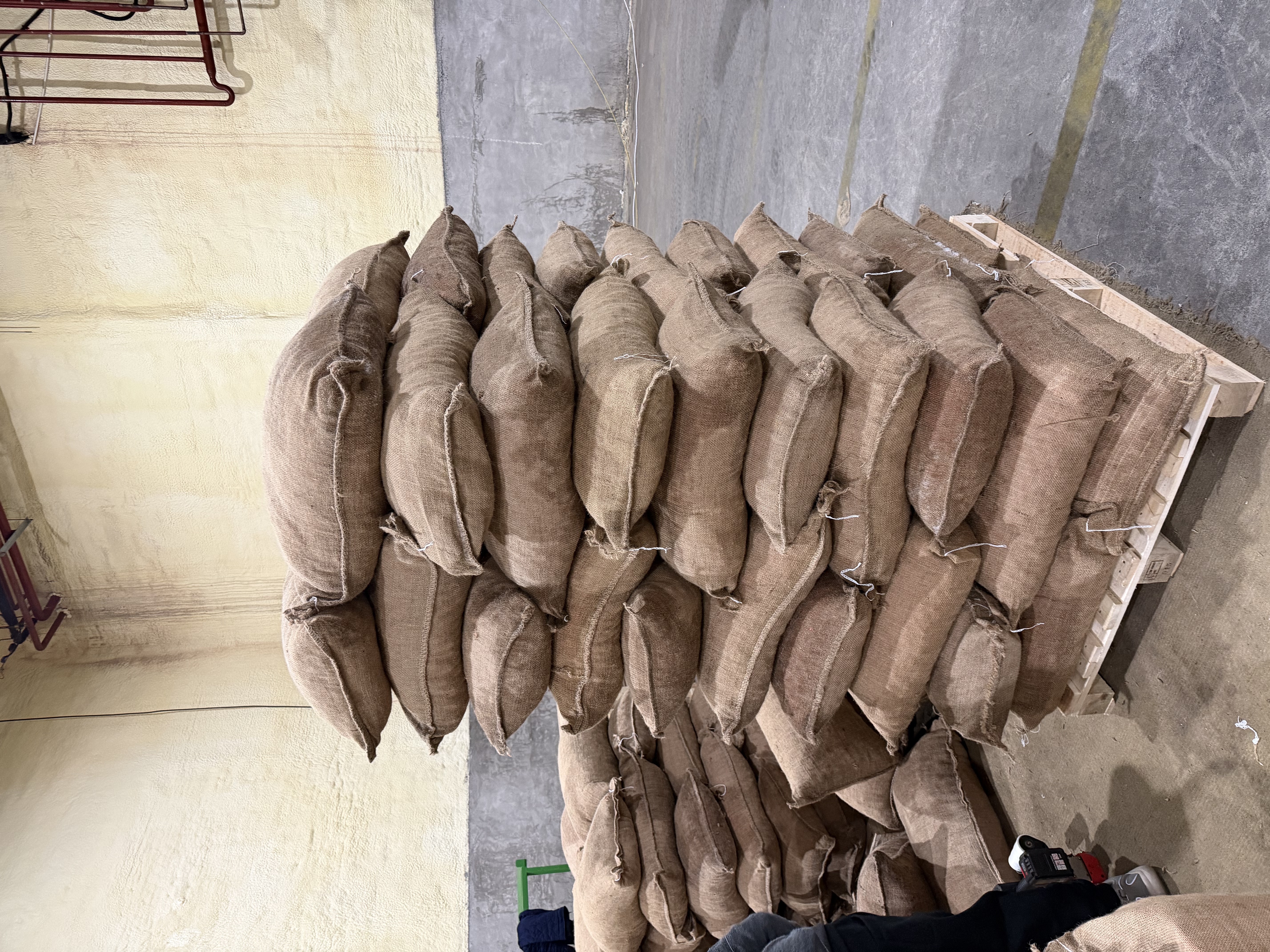
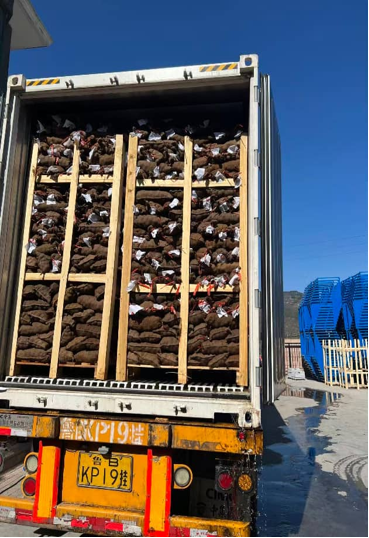
8. Export Preparation & International Logistics
Coordinated Export Planning for International Buyers
International chestnut shipments require coordination between product specifications, export documentation, transportation arrangements, and the import requirements of the destination market.
For buyers sourcing Sukkari or TAIXIN chestnuts, confirming these details early helps establish a clearer shipment plan and reduces the risk of avoidable documentation or scheduling issues.
Key Export Preparation Steps
-
Destination Market Review: Identify the destination country and confirm the applicable import requirements for the specific chestnut product.
-
Document Coordination: Establish which commercial, customs, and agricultural documents are required for the shipment.
-
Shipment Scheduling: Coordinate the intended dispatch date, transportation arrangements, and expected transit time.
-
Transport Planning: Select an appropriate transport method according to the product condition, shipment route, handling requirements, and buyer’s delivery expectations.
-
Import Clearance Preparation: Confirm document details and responsibilities with the buyer, freight forwarder, and relevant customs professionals before dispatch.
Export Documentation
Depending on the destination market and the nature of the shipment, required documents may include:
-
Commercial invoice
-
Packing list
-
Certificate of origin, where required
-
Phytosanitary certificate, where applicable
-
Fumigation certificate, if required for the shipment
-
Other documents specified by the destination country or agreed commercial terms
The exact document list should be verified for the product and destination before shipment. Requirements may differ between markets and should not be assumed to be identical for all Middle Eastern countries.
Transportation and Delivery Coordination
Before dispatch, the parties should confirm the destination port or delivery point, agreed shipping terms, estimated transit time, cargo handling requirements, and responsibility for import clearance.
For products requiring particular storage or transportation conditions, the appropriate arrangements should be confirmed according to the actual product specification and logistics route.
Before Shipment Confirmation
A clear pre-shipment checklist should cover the agreed product specification, packing details, shipping documents, destination requirements, and shipment schedule. Final arrangements should be confirmed by the relevant parties before the cargo is dispatched.
9. Ordering Process & Buyer Requirements
A Clear Process for Sourcing Sweet Chestnuts
A well-defined purchasing process helps buyers align product expectations, commercial terms, and delivery requirements before placing an order. Whether sourcing Sukkari chestnuts or TAIXIN chestnuts, buyers should provide sufficient information to evaluate product suitability and current supply availability.
Step 1: Share Your Purchasing Requirements
Please provide the following details when making an inquiry:
-
Destination country and delivery port or location
-
Required product name and specification
-
Intended application, such as roasting or baking
-
Estimated order quantity
-
Preferred delivery schedule
-
Applicable import or purchasing requirements
Step 2: Confirm Product Suitability
Review the proposed product specification, available grade, and any sample or evaluation requirements. If a particular flavor profile or processing result is important, agree on the evaluation criteria before proceeding.
Step 3: Review the Quotation
Confirm the product specification, quoted price, order quantity, agreed trade terms, payment conditions, and any applicable additional charges.
Step 4: Finalize the Order Details
Before confirming the purchase, review the final product requirements, packaging arrangement, labeling details where applicable, shipment schedule, and required documentation.
Step 5: Coordinate Shipment
Once the order and commercial terms are confirmed, coordinate product preparation, shipment arrangements, and the documentation required for the destination market.
Information That Helps Expedite Your Inquiry
Providing a clear target specification, estimated quantity, destination, and preferred shipment period allows the purchasing discussion to focus on the details most relevant to your business.
All product availability, pricing, specifications, and delivery arrangements remain subject to confirmation for the individual order.
10. Frequently Asked Questions About Sukkari and TAIXIN Chestnuts
1. What are Sukkari chestnuts?
“Sukkari chestnuts” is the product name provided for this offering. Buyers should confirm the exact commercial designation and product specification with the supplier before ordering to ensure that the selected product matches their requirements.
2. What is TAIXIN chestnut?
TAIXIN is another product name used for this offering. The exact product identity, grade, and specification should be confirmed during the inquiry process.
3. Are these sweet chestnuts suitable for roasting?
They are positioned for roasting applications. Actual roasting results depend on the product specification, initial condition, preparation method, and roasting equipment. A representative sample and processing trial can help establish suitability.
4. Can these chestnuts be used for baking?
They can be evaluated for baking and other food applications. The most suitable product depends on the recipe, required kernel texture, preparation method, and finished-product expectations.
5. How can I evaluate chestnut sweetness?
Request a representative sample and assess the flavor using an agreed evaluation method. If sweetness is a critical purchasing requirement, discuss whether a specific measurable acceptance criterion is appropriate for the product.
6. How do I select the right size grade?
Share your preferred size specification and intended application. The available grade should then be checked against current product availability and the agreed commercial standard.
7. Can I request a sample before placing a bulk order?
Sample evaluation can be discussed during the inquiry stage. Sample availability, quantity, shipping arrangements, and any associated costs should be confirmed before dispatch.
8. Can you supply chestnuts for Middle Eastern markets?
The product is positioned for buyers serving Middle Eastern markets. Actual supply availability, product suitability, and applicable import requirements must be confirmed for the destination country and individual order.
9. What information is needed for a quotation?
Please provide the required product name, target specification, estimated quantity, destination country or port, intended application, and preferred shipment period. These details help establish the basis for a quotation.
10. How can I confirm the product before ordering?
Confirm the product identity, agreed specification, available grade, sample evaluation requirements, commercial terms, and delivery arrangements before finalizing the order.
SERVICE
SERVICE
If you have any question,plz contact our SERVICE CENTER ASAP,we will help you