


Large Fresh Chinese Chestnuts | New Crop, 1kg Mesh Bags in 5kg Burlap Sacks
- Worldwide shipping
- Guarantee defective rate below 0.5%.
- Carbon neutral
- Secure payments
Product Description
Product Description
1. Product Overview
Latest-Season Large Fresh Chinese Chestnuts with Practical Export Packaging
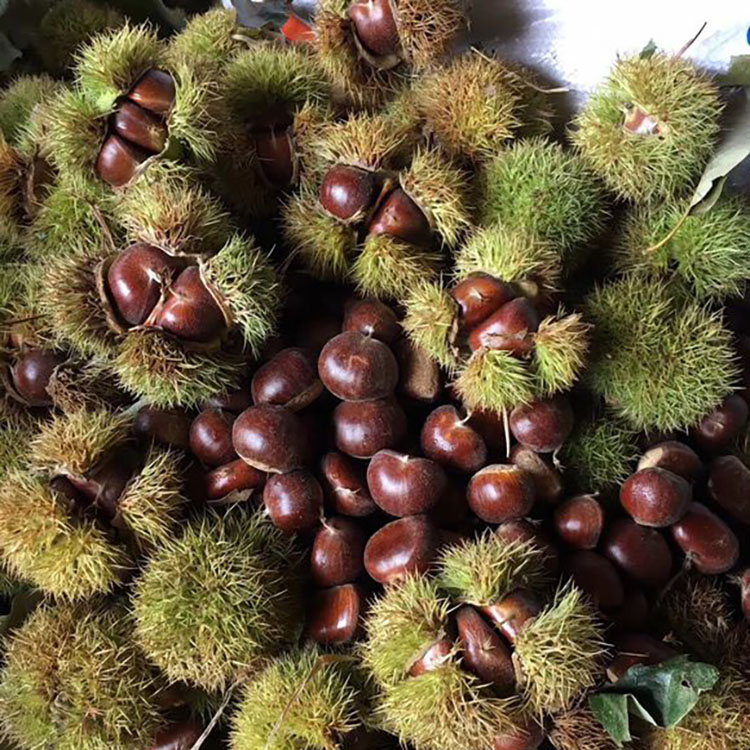
Our latest-season large fresh Chinese chestnuts are designed for international buyers looking for fresh in-shell chestnuts with practical packaging and storage management in mind.
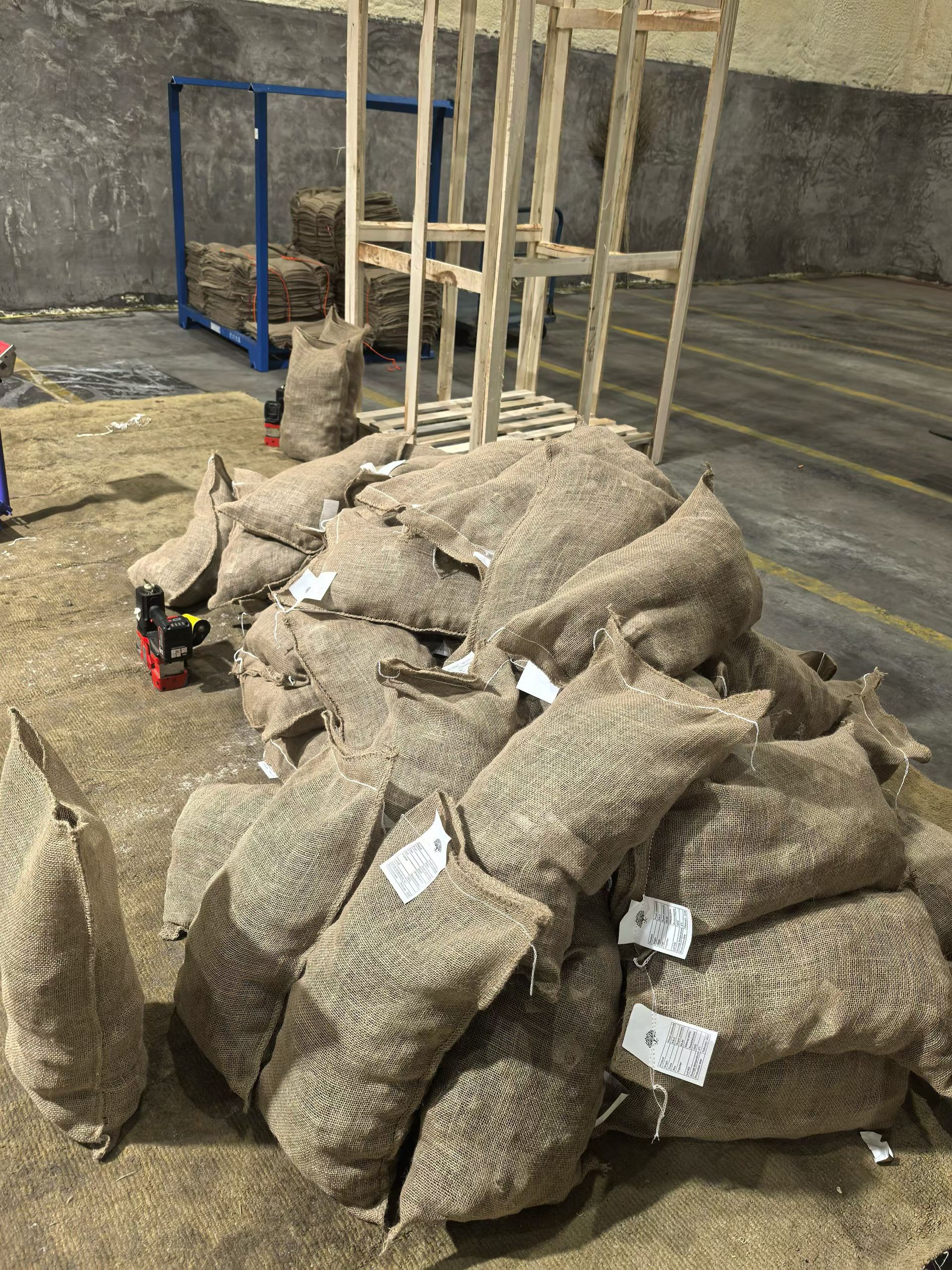
The standard proposed packing format consists of 1kg mesh bags, with five 1kg bags packed into one 5kg burlap sack. This configuration offers a convenient unit for handling, distribution, and wholesale supply. Buyers can also discuss customized packaging and labeling to suit their own brands and destination markets.
Product Highlights
-
Latest-Season Fresh Chestnuts: Sourced from the current harvest season, subject to availability.
-
Large Chestnut Size: Suitable for buyers seeking larger fresh chestnuts; the exact size grade can be confirmed for each order.
-
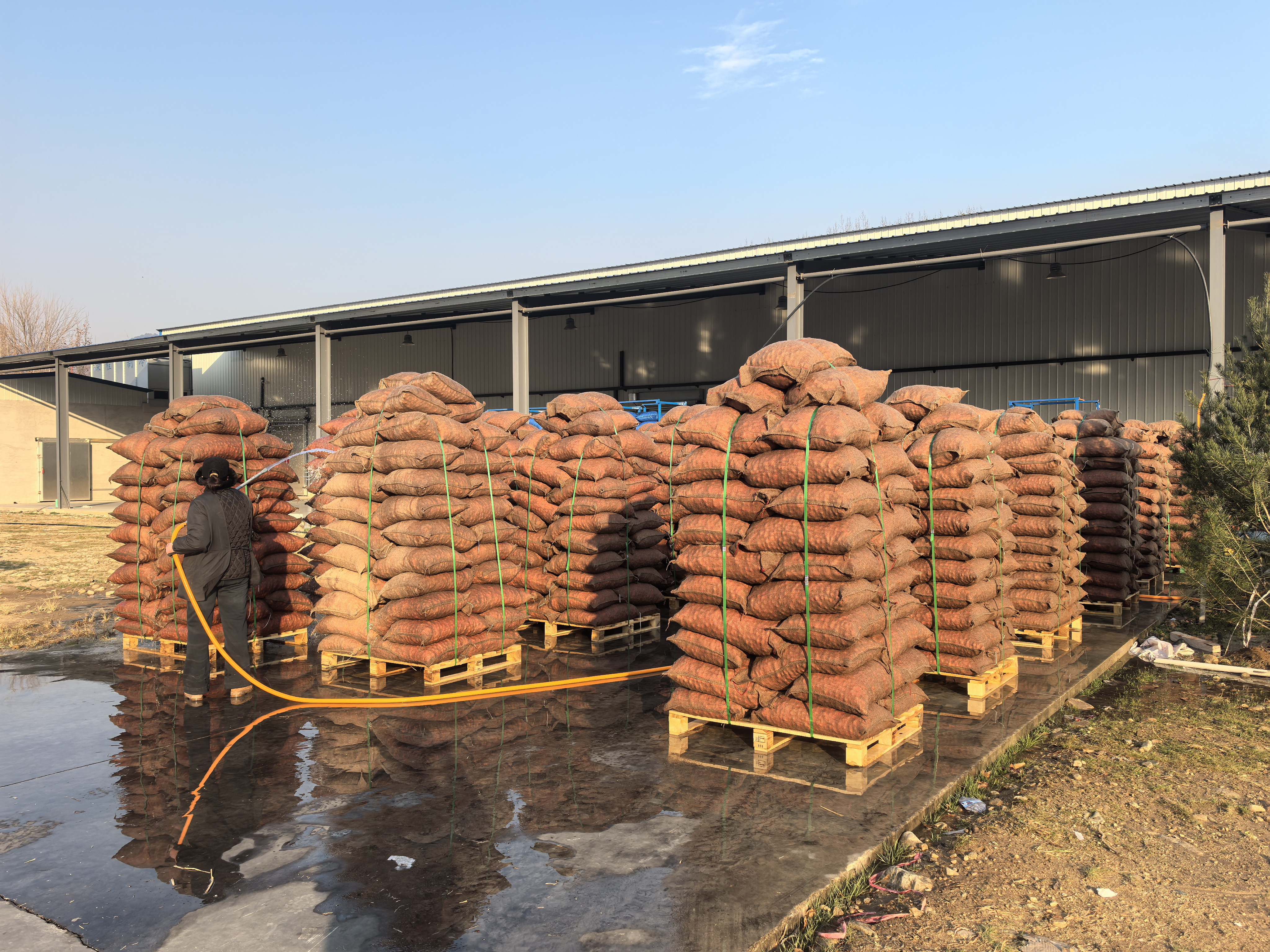
Storage-Oriented Supply: Appropriate post-harvest handling and suitable storage conditions help maintain product quality.
-
Practical Packing Format: Five 1kg mesh bags packed into one 5kg burlap sack.
-
Brand and Label Customization: Packaging design, brand presentation, and labeling requirements can be discussed.
-
International B2B Supply: Intended for importers, wholesalers, distributors, and fresh produce businesses.
Designed for Wholesale and Distribution
This product is suitable for buyers who value a defined packing format, fresh seasonal supply, and the flexibility to develop their own packaging presentation. The combination of smaller mesh bags and a larger outer sack can be considered for wholesale handling and distribution, depending on the buyer's storage, transport, and sales requirements.
Actual size grading, packaging materials, storage recommendations, and shipment arrangements should be confirmed before order placement.
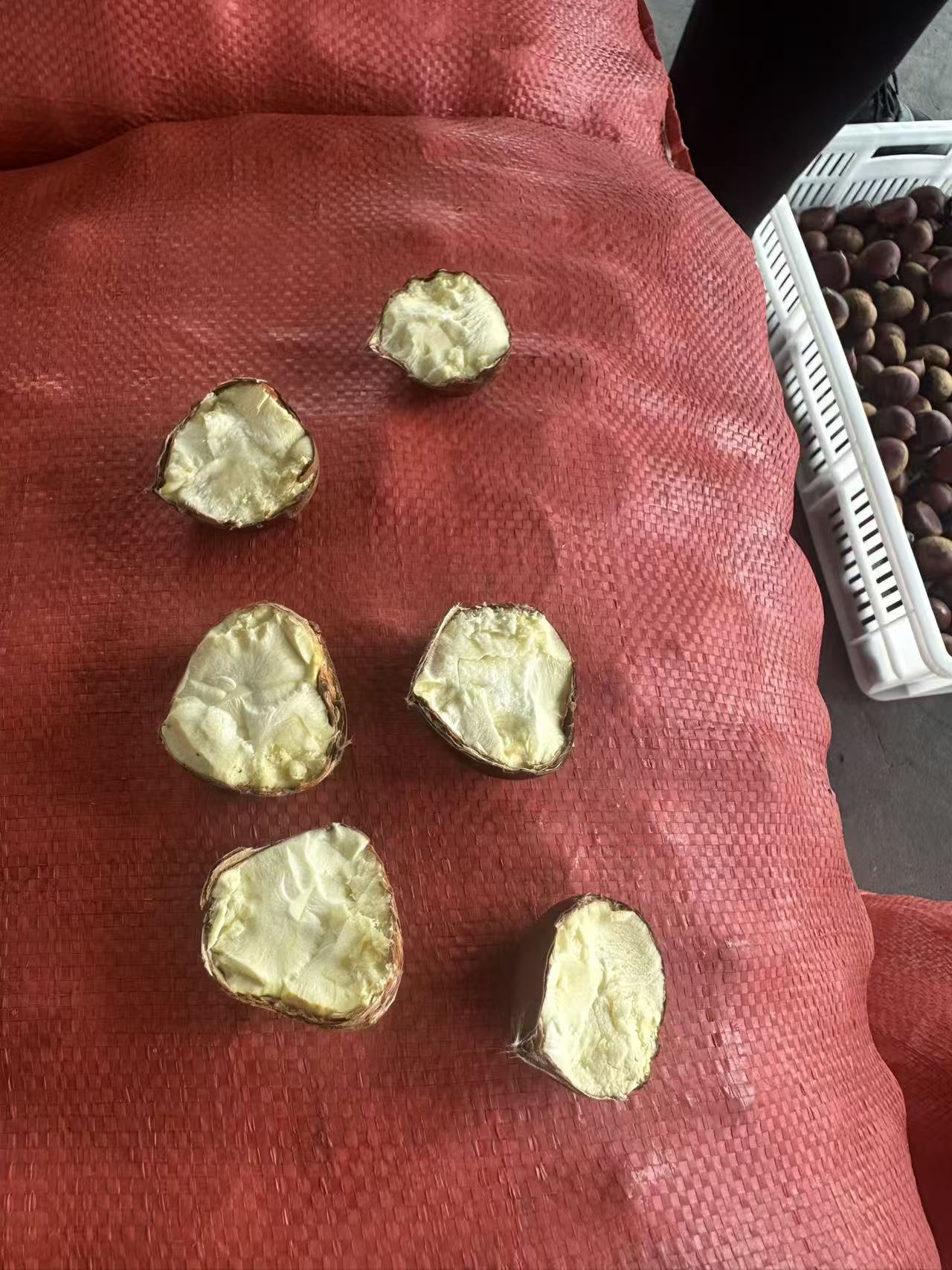
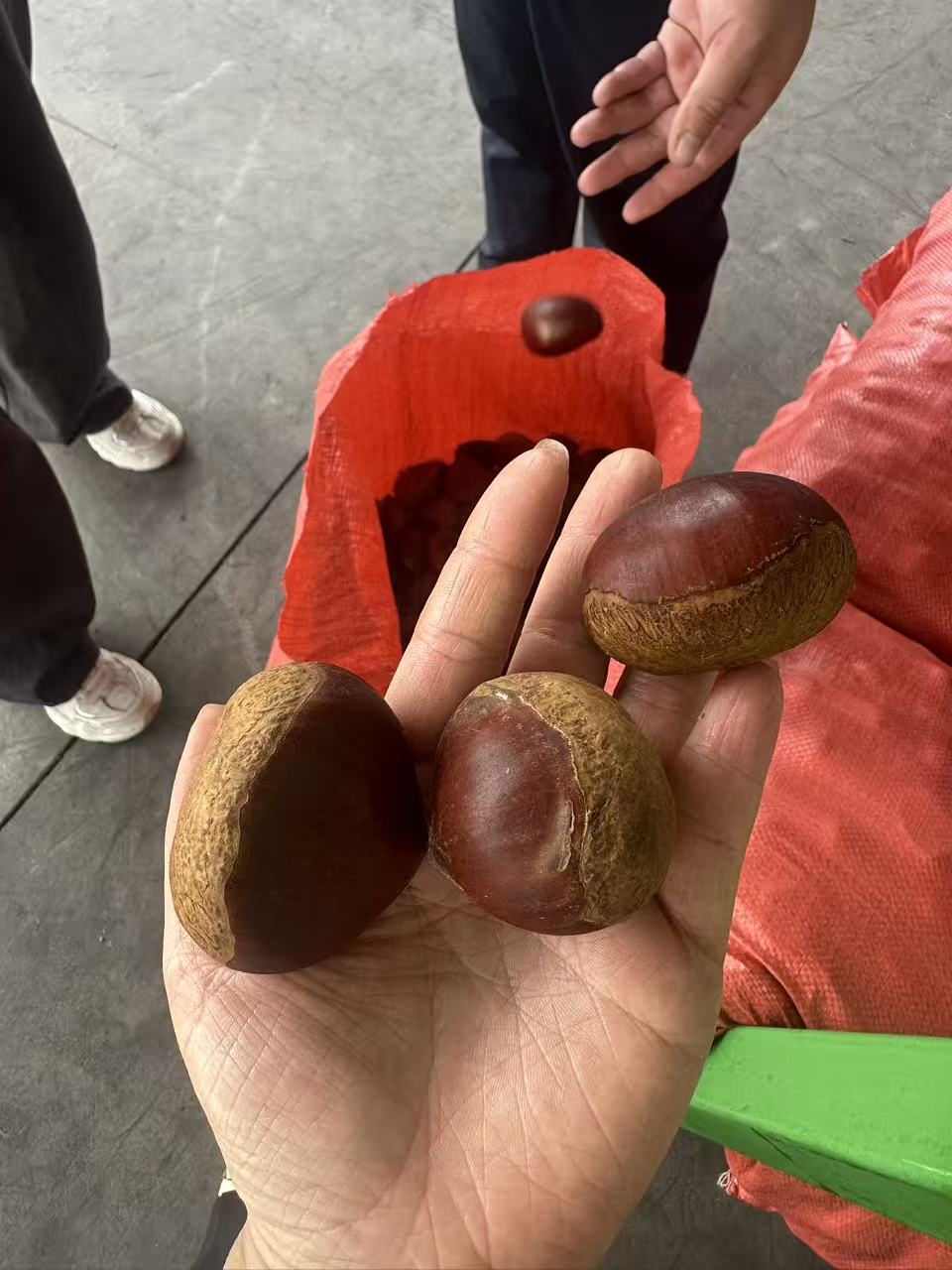
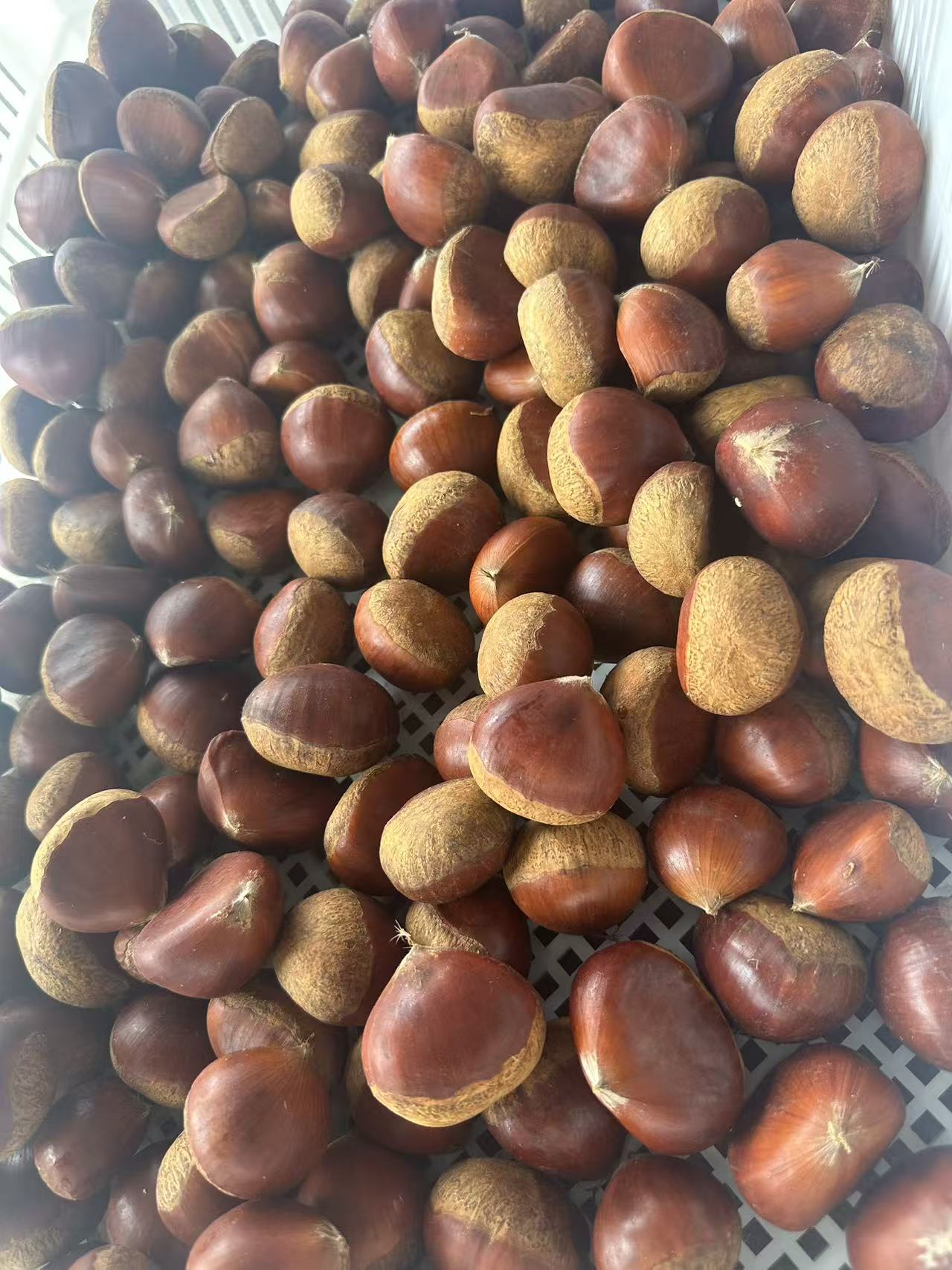
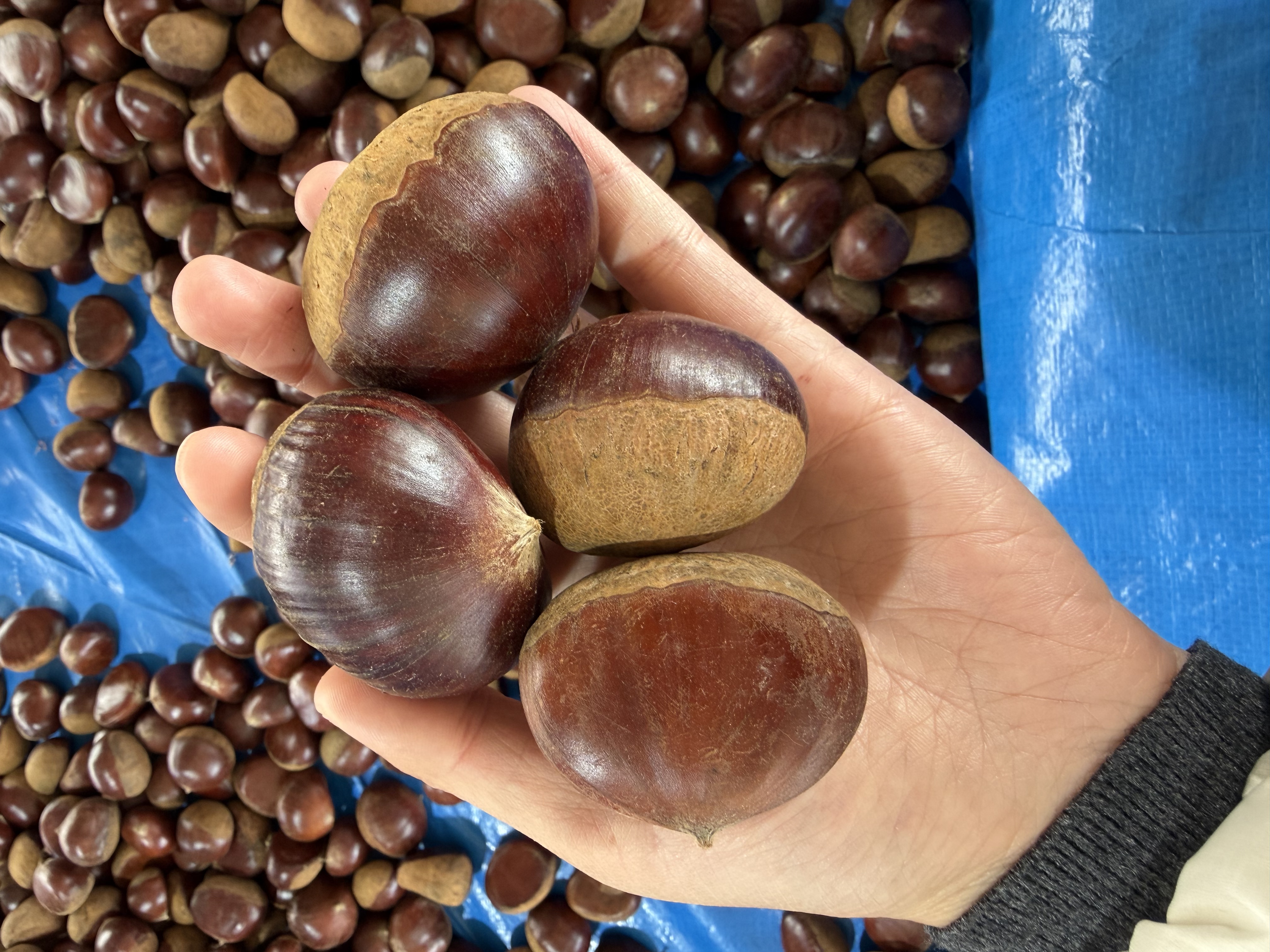
2. Large Fresh Chinese Chestnuts for the New Season
Large Chestnuts with a Fresh-Harvest Advantage
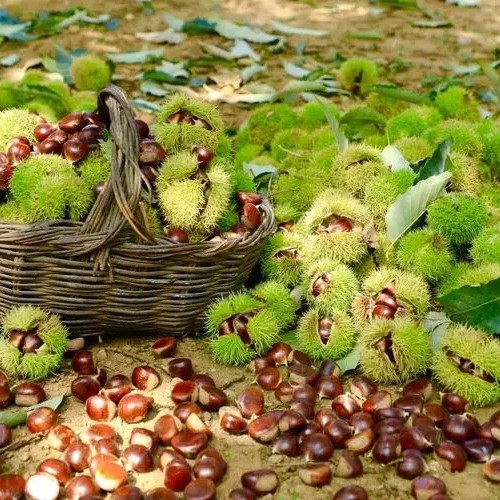
Large fresh Chinese chestnuts are a practical choice for buyers who prioritize chestnut size and seasonal freshness. Sourced from the latest harvest season, they offer importers and distributors an opportunity to purchase newly harvested chestnuts for their fresh produce business.
Chestnut size is an important consideration when selecting products for different sales channels. Buyers can specify their preferred size grade according to local market demand, retail presentation, and wholesale purchasing requirements.
Key Product Advantages
-
Large-Size Selection: Suitable for buyers looking for larger in-shell chestnuts, with the final size grade confirmed before order placement.
-
Current-Season Supply: Fresh chestnuts from the latest harvest season, subject to crop availability and order timing.
-
Flexible Size Requirements: Size specifications can be discussed to match the buyer’s target market.
-
Fresh Produce Positioning: Suitable for fresh chestnut distribution through wholesale markets, produce retailers, and other relevant sales channels.
Size Grading for Your Target Market
Chestnuts can be graded by the number of pieces per kilogram. A lower pieces-per-kilogram figure generally indicates a larger average chestnut size. To ensure consistency between the agreed specification and the delivered goods, buyers should confirm the required size grade before ordering.
The available size range depends on the current crop and actual grading results. Please confirm the target size and quantity requirements when discussing your order.
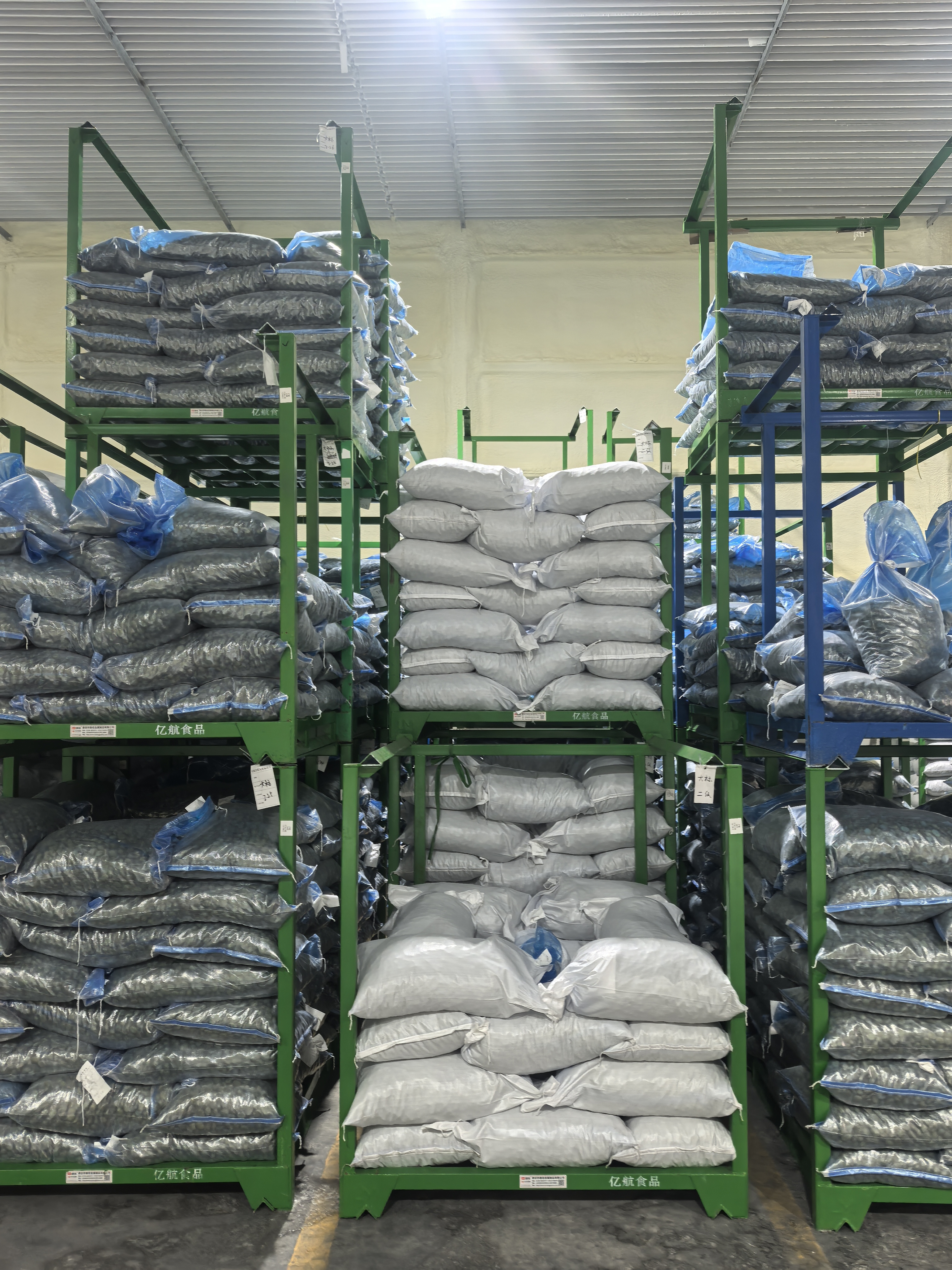
3. Storage & Freshness Management for Fresh Chinese Chestnuts
Storage-Oriented Handling to Help Maintain Chestnut Quality
Fresh in-shell chestnuts require appropriate post-harvest handling and storage conditions to maintain their quality during storage and transportation. For importers and distributors, effective freshness management is an important consideration when planning inventory, shipment schedules, and downstream distribution.
Our fresh chestnut supply can be discussed with storage and transport requirements in mind, helping buyers coordinate product handling from post-harvest preparation through shipment.
Key Factors in Fresh Chestnut Storage
-
Post-Harvest Handling: Timely handling after harvest helps prepare chestnuts for storage and subsequent distribution.
-
Temperature Management: Suitable, consistently managed storage temperatures are important for maintaining chestnut quality. The appropriate temperature should be confirmed according to the product condition, storage period, and transport arrangements.
-
Ventilation and Moisture Control: Appropriate ventilation and moisture management help reduce the risk of condensation and quality deterioration during storage and transportation.
-
Packaging and Handling: Packaging should be suitable for the intended storage environment and transport method, while handling should minimize unnecessary physical damage.
-
Cold-Chain Coordination: Storage conditions and transportation arrangements should be planned together to support product quality throughout the supply chain.
Planning for Storage and Distribution
The actual storage life of fresh chestnuts depends on factors such as initial product condition, harvest maturity, post-harvest handling, temperature, humidity, ventilation, and transportation duration. Therefore, storage recommendations should be established according to the specific shipment and destination requirements rather than relying on a single fixed storage-life figure.
For buyers planning longer-distance transportation or inventory storage, we recommend confirming the intended storage period, transport method, and destination conditions before shipment.
4. Packaging Configuration for Large Fresh Chinese Chestnuts
Practical Two-Level Packaging for Wholesale Supply
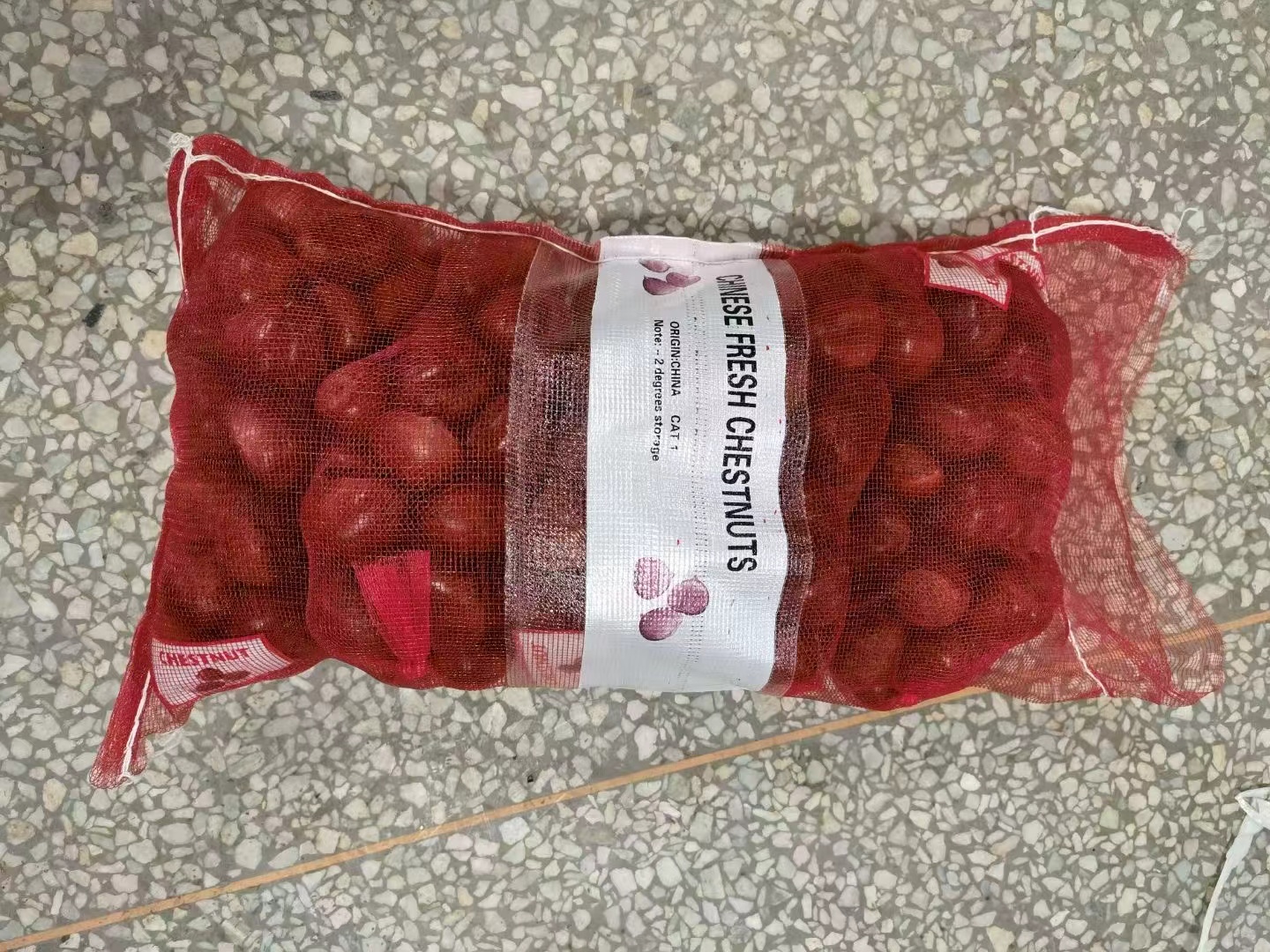
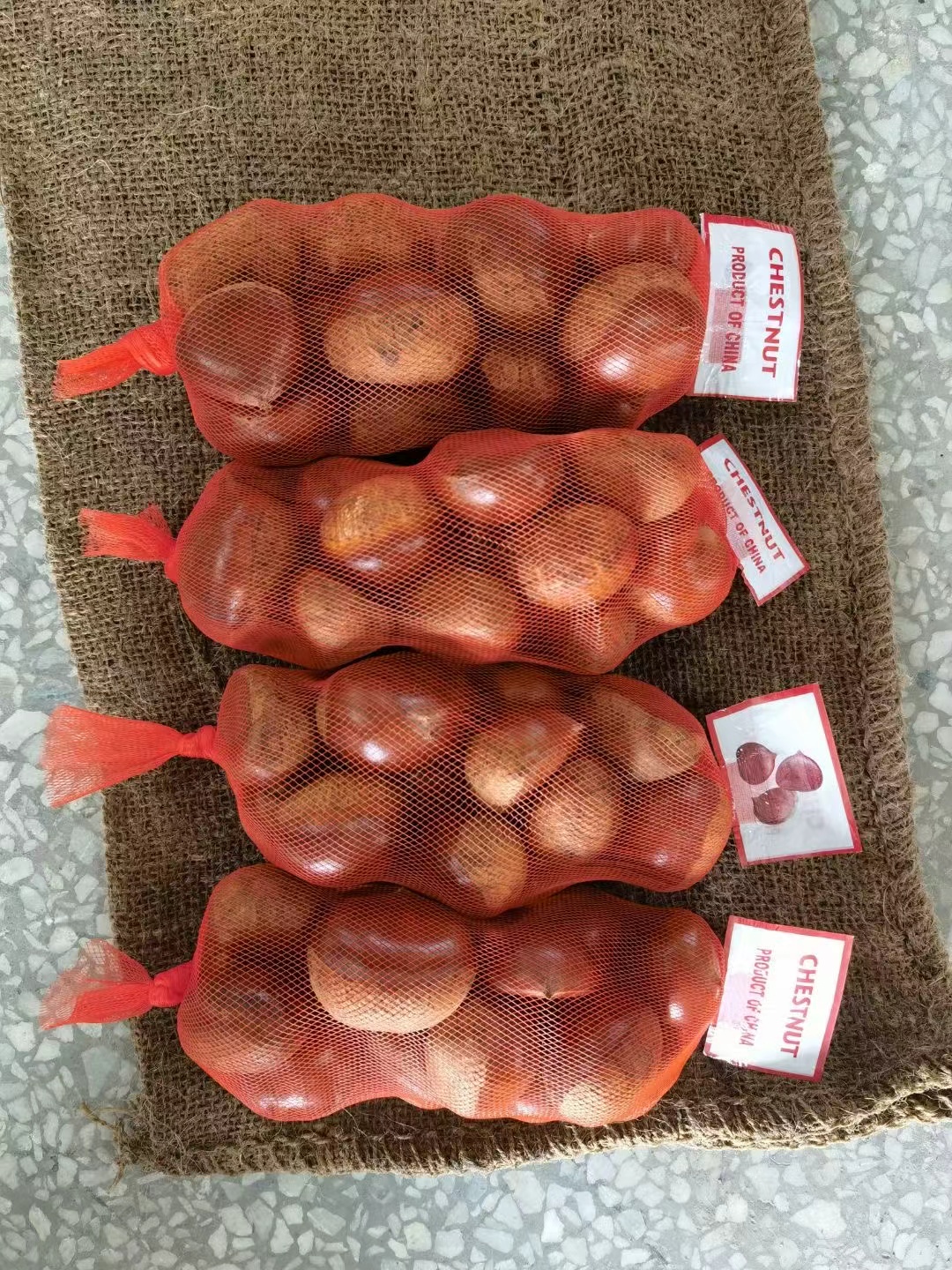
The proposed packaging configuration combines individual mesh bags with a larger burlap outer sack, providing a clearly defined packing unit for bulk purchasing and distribution.
Standard Packing Configuration
-
Inner packaging: 1 kg mesh bag
-
Outer packaging: 5 kg burlap sack
-
Packing combination: 5 × 1 kg mesh bags per burlap sack
-
Net weight per outer sack: 5 kg
Packaging Structure
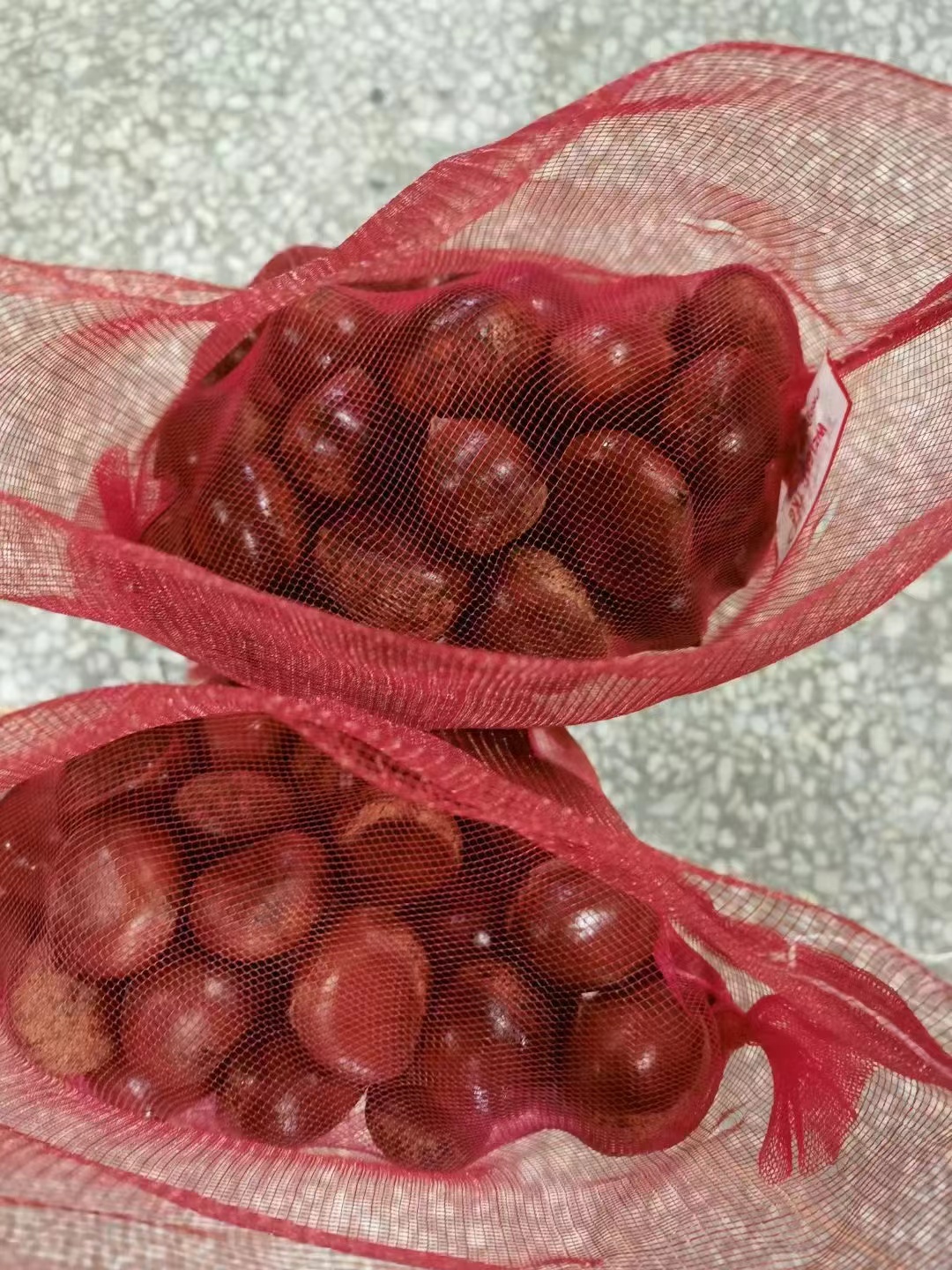
Each 1 kg mesh bag contains fresh in-shell chestnuts. Five individual bags are then packed into one 5 kg burlap sack, creating a consistent unit for order planning and shipment calculations.
This format allows buyers to work with individual 1 kg units while managing the product in larger 5 kg outer sacks. The final packaging materials and construction should be confirmed before production to ensure suitability for the intended handling and transportation conditions.
Packaging Requirements
Packaging details can be confirmed according to the buyer’s order requirements, including:
-
Mesh bag specifications and material
-
Burlap sack specifications
-
Net weight and packing configuration
-
Outer packaging markings and shipping labels
-
Packaging suitability for the intended transport method
The final packing arrangement should be agreed upon before order confirmation so that the packaging specifications, net weight, and shipment documentation remain consistent.
5. Brand, Label & Private Label Customization
Develop Fresh Chestnut Products Under Your Own Brand
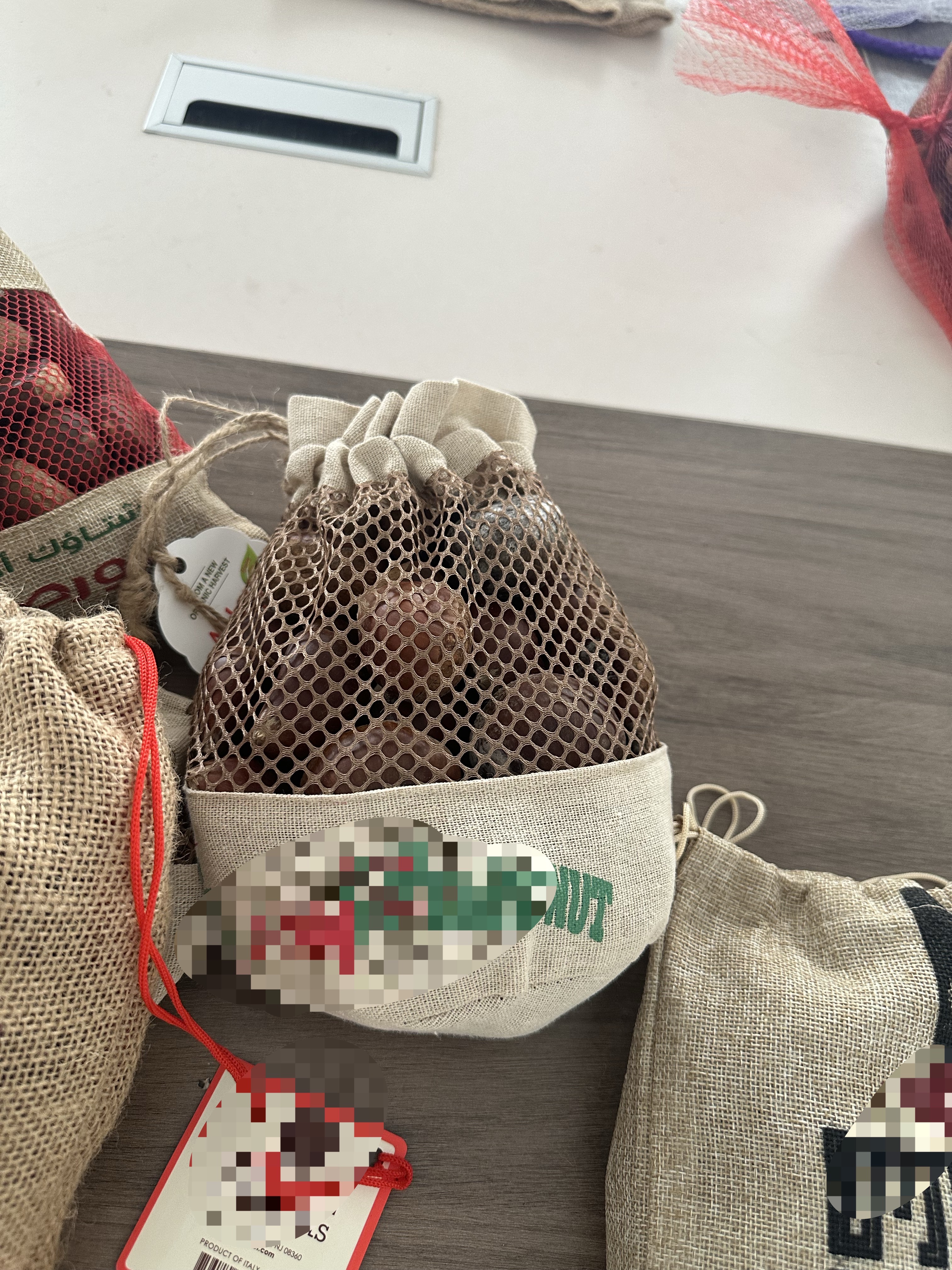
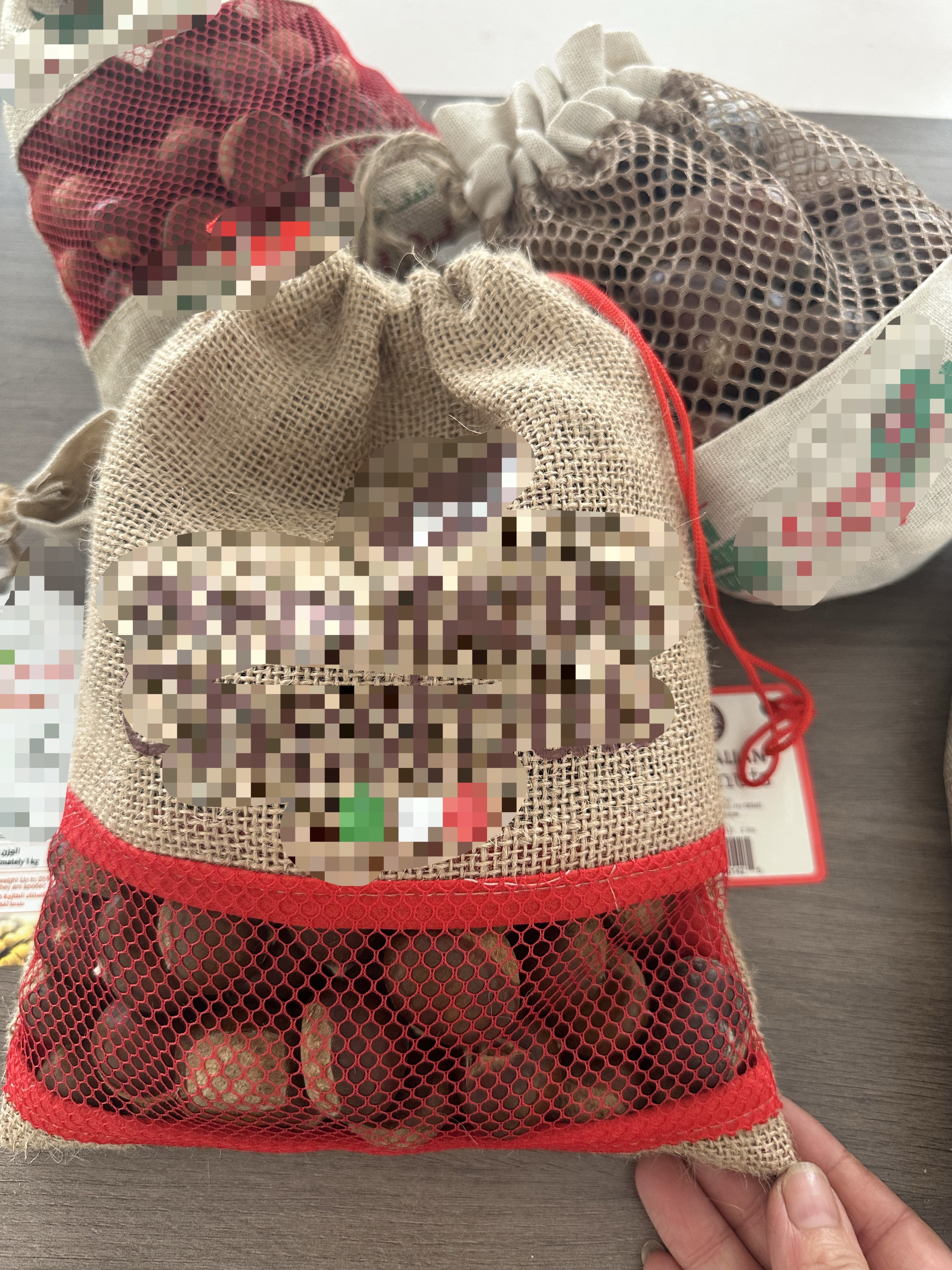
For buyers who want to build or expand their own product lines, customized branding and labeling can help align fresh chestnut products with their market positioning and sales requirements.
Packaging presentation, label content, and brand elements can be discussed according to the buyer’s specifications and the applicable requirements of the destination market.
Customization Options
-
Private Label Branding: Discuss the use of your own brand name and logo for your fresh chestnut products.
-
Customized Label Design: Provide label artwork or discuss label layout and product information requirements.
-
Product Information: Confirm the required information, such as product name, net weight, country of origin, packing details, and other applicable declarations.
-
Market-Specific Labeling: Review labeling requirements according to the destination country and intended sales channel.
-
Packaging Presentation: Discuss suitable packaging materials, design elements, and presentation options based on your target customers and distribution needs.
A Clear Process for Customized Orders
To help coordinate customized packaging, buyers should provide their brand artwork, preferred label language, required product information, and destination market details during the inquiry stage.
Before production, the final design, labeling content, packaging specifications, and order requirements should be reviewed and approved by both parties. Any applicable regulatory requirements should also be confirmed before shipment.
Customized branding and labeling are subject to feasibility, order requirements, and final confirmation.
6. Technical Specifications of Large Fresh Chinese Chestnuts
The following specification sheet summarizes the main product and packing details for purchasing reference. Final product specifications should be confirmed against the agreed order and actual crop availability.
| Specification | Details |
|---|---|
| Product Name | Large Fresh Chinese Chestnuts |
| Product Type | Fresh in-shell chestnuts |
| Crop | Latest-season crop, subject to availability |
| Size Grade | To be confirmed according to the buyer’s requirements |
| Inner Packaging | 1 kg mesh bags |
| Outer Packaging | 5 kg burlap sacks |
| Packing Configuration | 5 × 1 kg mesh bags per 5 kg burlap sack |
| Net Weight per Outer Sack | 5 kg |
| Branding | Private label and customized branding can be discussed |
| Labeling | Customized labels, subject to final artwork approval and destination-market requirements |
| Country of Origin | China |
| Intended Buyers | Importers, wholesalers, distributors, and fresh produce businesses |
Order-Specific Confirmation
Before placing an order, buyers should confirm the required size grade, order quantity, harvest availability, packaging specifications, labeling details, and destination-market requirements.
Storage and transportation conditions should also be agreed upon according to the shipment route and expected transit time. Any additional specifications or inspection requirements can be reviewed during order confirmation.
7. Harvest & Supply Availability of Fresh Chinese Chestnuts
Plan Your Purchase Around the Chinese Chestnut Harvest Season
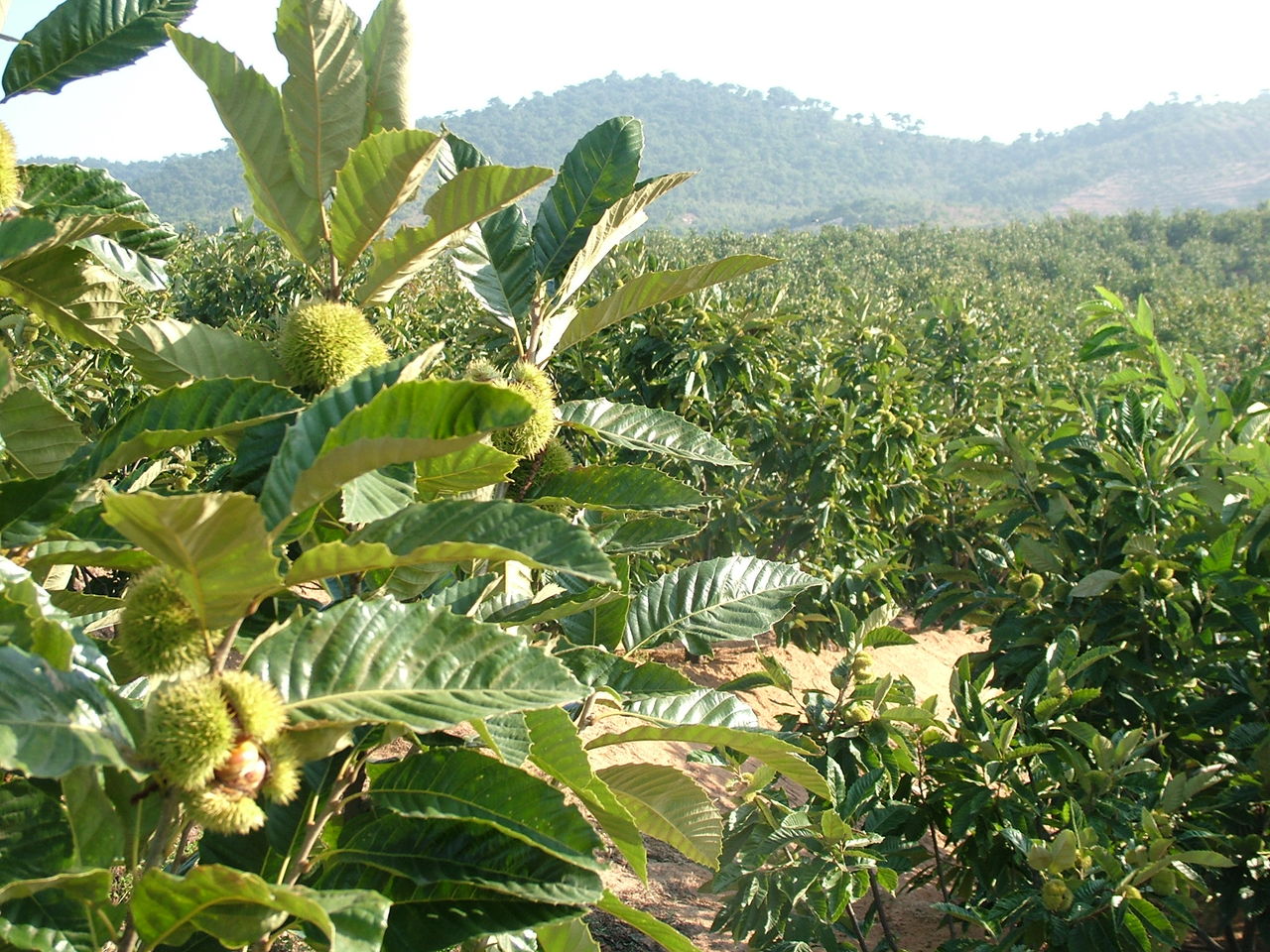
Fresh Chinese chestnuts are seasonal agricultural products. Harvest timing and available quantities can vary according to growing region, weather conditions, crop development, and actual harvest results.
For buyers sourcing the latest-season crop, early communication about purchasing requirements helps coordinate product availability, quality specifications, and shipment planning.
Seasonal Supply Planning
-
Current-Crop Availability: Supply is subject to the progress of the harvest and the quantity available for the requested specifications.
-
Size and Grade Coordination: Confirm the target size grade and quality requirements before finalizing the purchasing plan.
-
Quantity Planning: Share your estimated order volume and preferred delivery schedule to support supply coordination.
-
Order Scheduling: Coordinate order confirmation, product preparation, and transportation arrangements according to the agreed shipment timeline.
-
Repeat Purchasing: Buyers with recurring seasonal demand can discuss their anticipated purchasing schedule in advance, subject to crop availability and order confirmation.
Information to Share When Requesting a Quote
To help assess the most suitable supply arrangement, buyers should provide the target size grade, estimated quantity, preferred packing requirements, destination, and expected shipment period.
Availability, pricing, and shipment timing should be reconfirmed when the order is discussed, as fresh chestnut supply depends on seasonal conditions and current market circumstances.
8. Export Preparation & Logistics for Fresh Chinese Chestnuts
Coordinated Preparation for International Shipments
Exporting fresh chestnuts requires coordination between product preparation, packaging confirmation, export documentation, and transportation arrangements. Each shipment should be planned according to the destination market, applicable import requirements, and expected transit time.
A clear export plan helps buyers coordinate receiving arrangements, customs clearance, and downstream distribution.
Key Steps in Export Preparation
-
Order Specification Confirmation: Verify the agreed product grade, quantity, packaging details, and labeling requirements before shipment preparation.
-
Pre-Shipment Coordination: Coordinate product preparation and loading schedules according to the confirmed order and shipment plan.
-
Export Documentation: Confirm the documents required for the destination market and the specific shipment, which may include a commercial invoice, packing list, certificate of origin, phytosanitary certificate, or fumigation certificate where applicable.
-
Transportation Planning: Review the shipping route, estimated transit time, cargo handling requirements, and suitable transport arrangements for fresh agricultural produce.
-
Destination Requirements: Check applicable import regulations and document requirements with the buyer and relevant logistics or customs professionals before dispatch.
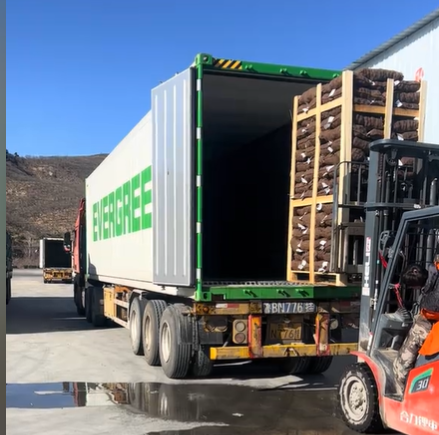
Fresh Chestnut Transportation Considerations
Fresh chestnuts are agricultural produce, so transportation conditions should be considered alongside the expected transit time and product condition. For refrigerated transportation, the appropriate temperature, ventilation settings, and other handling parameters should be confirmed with the logistics provider based on the product requirements and route.
Shipment arrangements should be finalized before loading to help reduce avoidable delays and documentation discrepancies.
Shipment Details to Confirm
Before dispatch, the buyer and supplier should agree on the destination port or delivery point, shipping terms, estimated shipment schedule, required documentation, and responsibility for import clearance.
Specific certificates and inspection procedures depend on the destination country and current import regulations. They should be verified for each shipment rather than assumed to apply universally.
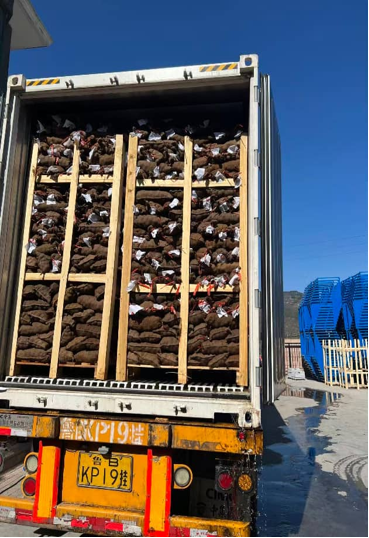
9. Buyer Requirements & Order Customization
Tailor Your Fresh Chestnut Order to Your Business Needs
Different markets and sales channels may require different chestnut specifications and purchasing arrangements. Clear communication at the inquiry stage helps align product requirements with the buyer’s target market and intended distribution model.
Whether you are sourcing for wholesale distribution, fresh produce retail, or regional import operations, order details can be discussed and confirmed before the purchase is finalized.
What to Specify in Your Inquiry
To help us understand your purchasing needs, please provide the following information where available:
-
Target Market: Destination country and intended sales channel.
-
Product Requirements: Preferred chestnut size grade and any specific quality criteria.
-
Estimated Quantity: Initial purchase volume or anticipated seasonal demand.
-
Packaging and Branding: Preferred packaging arrangement, label language, and brand requirements.
-
Delivery Requirements: Destination port or delivery location and preferred shipment period.
-
Import Requirements: Applicable product standards, labeling rules, and required export or import documentation.
-
Purchasing Schedule: Whether the order is a one-time purchase or part of a recurring seasonal sourcing plan.
From Inquiry to Order Confirmation
Once the requirements are received, the product specifications, available quantity, packaging details, pricing, shipment arrangements, and applicable documentation can be reviewed together.
The final order should proceed only after both parties have confirmed the commercial terms and relevant product and shipping requirements. This helps establish a clear reference for order preparation and delivery coordination.
For First-Time Buyers
If you are purchasing fresh Chinese chestnuts for the first time, sharing your target market and preferred size grade is a useful starting point. These details help guide the initial discussion before moving on to the full specification and quotation.
10. Frequently Asked Questions About Large Fresh Chinese Chestnuts
1. Are these chestnuts from the latest harvest season?
The product is positioned for latest-season fresh chestnut supply. Actual availability depends on the harvest schedule, crop conditions, and order timing. Please confirm current-crop availability before placing an order.
2. How can I confirm the chestnut size?
Chestnut size can be specified by the number of pieces per kilogram. Please share your target size grade so the available crop and grading results can be checked against your requirements.
3. Are these fresh chestnuts suitable for storage?
Fresh in-shell chestnuts can be stored under appropriate conditions, but their storage life depends on initial quality, post-harvest handling, temperature, humidity, ventilation, and storage duration. Suitable conditions should be confirmed for your intended storage and distribution plan.
4. Can you guarantee a specific storage life?
A fixed storage-life guarantee should not be assumed without validated product and storage data. The expected storage period should be evaluated according to the actual product condition and the proposed storage and transportation conditions.
5. What is the standard packing configuration?
The proposed packing configuration is five 1 kg mesh bags packed into one 5 kg burlap sack. Any changes to the agreed packing arrangement should be confirmed before order placement.
6. Can I use my own brand and labels?
Private-label branding and customized labels can be discussed. Buyers should provide their brand artwork, label language, and required product information for review and approval before production.
7. Can I request a specific quantity?
Please provide your estimated quantity and preferred shipment period. The available supply, commercial terms, and order schedule will need to be confirmed according to current crop availability and order requirements.
8. What export documents may be required?
Requirements depend on the destination market and shipment details. Depending on the applicable regulations, documents may include a commercial invoice, packing list, certificate of origin, phytosanitary certificate, or other required documents. The exact list should be verified before shipment.
9. How should fresh chestnuts be transported over long distances?
Transportation arrangements should account for product condition, expected transit time, and destination requirements. For refrigerated shipments, the appropriate temperature, ventilation, and handling settings should be confirmed with the logistics provider before loading.
10. What information should I provide to request a quotation?
Please share your destination country or port, preferred chestnut size grade, estimated quantity, packing requirements, branding or labeling needs, and expected shipment period. These details help establish the basis for a product and shipping quotation.
SERVICE
SERVICE
If you have any question,plz contact our SERVICE CENTER ASAP,we will help you