

China Chestnut Harvest Season Guide: Harvest Times by Region in China
2026-10-10 19:00:00 SinoValley
 |
 |
 |
 |
China's chestnut harvest season generally extends from late summer through autumn, with the exact timing depending on the growing region, cultivar, local climate, elevation, and weather conditions.
For international buyers, understanding the China chestnut harvest season is essential for planning fresh chestnut imports, arranging packaging and cold-chain transportation, estimating supply windows, and coordinating purchasing schedules.
Major Chinese chestnut-producing areas include Shandong, Hebei, and Liaoning. Well-known regional origins include Taishan, Qianxi, Qinglong, Dandong, and Jiaodong. Because these regions have different growing conditions, their chestnuts may reach commercial maturity at different times.
This guide explains the typical Chinese chestnut harvest calendar, regional differences, maturity indicators, post-harvest handling, and practical purchasing considerations for importers, wholesalers, distributors, retailers, and food manufacturers.


1. When Is Chestnut Harvest Season in China?
The main Chinese chestnut harvest season typically falls between August and November, although the actual period varies by region, cultivar, and growing conditions.
Some early-maturing chestnuts may become available in late summer, while many major northern production areas harvest during September and October. Later-maturing varieties or specific growing locations may extend the season into November.
The following calendar is an indicative planning reference rather than a fixed annual schedule.
| Period | General Harvest Situation | Purchasing Considerations |
|---|---|---|
| August | Early harvest may begin in some areas | Confirm actual maturity, available volumes, and origin |
| September | Harvest activity increases across many producing areas | Discuss specifications, grading, packaging, and shipment schedules |
| October | An important harvest and sourcing period for many northern production areas | Coordinate supply availability, cold storage, and export logistics |
| November | Later harvests or remaining seasonal supply may occur in some areas | Confirm actual crop availability and storage condition before ordering |
Important: These periods are general industry guidance. They do not guarantee that every Chinese chestnut origin will be available throughout each month. Buyers should confirm the current season's harvest progress with their supplier.
2. Chestnut Harvest Times by Major Chinese Growing Region
China's chestnut-producing regions differ in climate, terrain, cultivars, and local harvest practices. These differences can affect when chestnuts reach maturity and when export-ready supplies become available.
Taishan Chestnut — Shandong Province
Taishan Chestnut is associated with the Taishan area of Shandong Province and is an important origin for SinoValley Agro Group's chestnut sourcing.
Harvest timing depends on the cultivar, orchard conditions, elevation, and seasonal weather. Fresh chestnuts from Taishan-area orchards may be harvested during the late-summer-to-autumn period, with the actual commercial harvest window confirmed each year.
For importers sourcing Taishan chestnuts, important considerations include:
-
Actual harvest start and expected end dates
-
Nut size and grading requirements
-
Shell condition and visible defects
-
Freshness and post-harvest handling
-
Cold storage and export shipment planning
Taishan chestnuts can be considered for fresh-market sales and, depending on the raw material specifications, roasting and other processed chestnut applications.
Qianxi Chestnut — Hebei Province
Qianxi Chestnut is associated with Qianxi County in Hebei Province, a recognized chestnut-producing area in northern China.
The harvest generally takes place during autumn, but the exact timing varies with cultivar, weather, and local growing conditions.
Buyers sourcing Qianxi chestnuts should confirm:
-
Whether the crop has reached commercial maturity
-
Available sizes and grades
-
Expected weekly supply volume
-
Sorting and packaging arrangements
-
Whether fresh or processed product specifications are required
Qianxi chestnuts are known in China for edible and roasting applications. For export purchasing, the actual sample and agreed product specifications should take priority over the origin name alone.
Qinglong Chestnut — Hebei Province
Qinglong Chestnut is associated with Qinglong Manchu Autonomous County in Hebei Province.
As with Qianxi, the local harvest period is influenced by cultivar, elevation, temperature, and annual weather conditions.
International buyers should verify the current harvest status and expected supply period rather than assuming that all chestnuts from Hebei are harvested on the same dates.
Qinglong chestnuts may be evaluated for fresh sales and processing, subject to size, kernel quality, maturity, and the buyer's requirements.
Dandong Chestnut — Liaoning Province
Dandong is an important chestnut-producing area in Liaoning Province in northeastern China.
The region's local climate and growing conditions may result in a different harvest schedule from some areas farther south. However, the exact difference varies from year to year and should not be assumed without current-season confirmation.
For buyers considering Dandong chestnuts, it is useful to ask about:
-
Local harvest progress
-
Expected delivery dates
-
Product size and quality
-
Storage arrangements
-
Transportation time to the packing or export facility
Dandong may be considered as part of a multi-origin sourcing strategy when buyers want to compare supply windows and product specifications across Chinese growing regions.
Jiaodong Chestnut — Shandong Province
Jiaodong refers to the eastern part of Shandong Province, including the broader Jiaodong Peninsula region.
Harvest timing varies among local production areas and cultivars. Buyers should confirm the specific origin and expected harvest dates instead of relying only on the broader regional name.
When evaluating Jiaodong chestnuts, importers should compare size, appearance, maturity, defect tolerance, packaging, and expected shipping schedules with their purchase specifications.
3. Why Do Chestnut Harvest Seasons Differ Across China?
Chestnuts from different regions do not necessarily mature at the same time. Several factors influence the harvest window.
Climate and Temperature
Temperature patterns during the growing season influence fruit development and maturity. Differences in regional climate can shift the timing of harvest.
Elevation and Orchard Location
Elevation, slope orientation, and local growing conditions may affect seasonal development, even within the same province.
Cultivar
Different chestnut cultivars can have different maturity periods. Two orchards in the same region may therefore begin harvesting at different times.
Annual Weather Conditions
Temperature fluctuations, rainfall, and other weather events can affect chestnut development and the timing of commercial harvest.
Harvest and Collection Practices
Chestnuts are commonly collected as mature burrs open and nuts fall or are released. Local harvesting practices and orchard management can influence collection schedules.
For these reasons, an annual harvest calendar should be treated as a planning tool, not a substitute for current-season confirmation.
4. How Can Buyers Identify Commercially Mature Chestnuts?
Harvest timing alone does not determine product quality. Chestnuts must also reach suitable maturity and meet the buyer's commercial specifications.
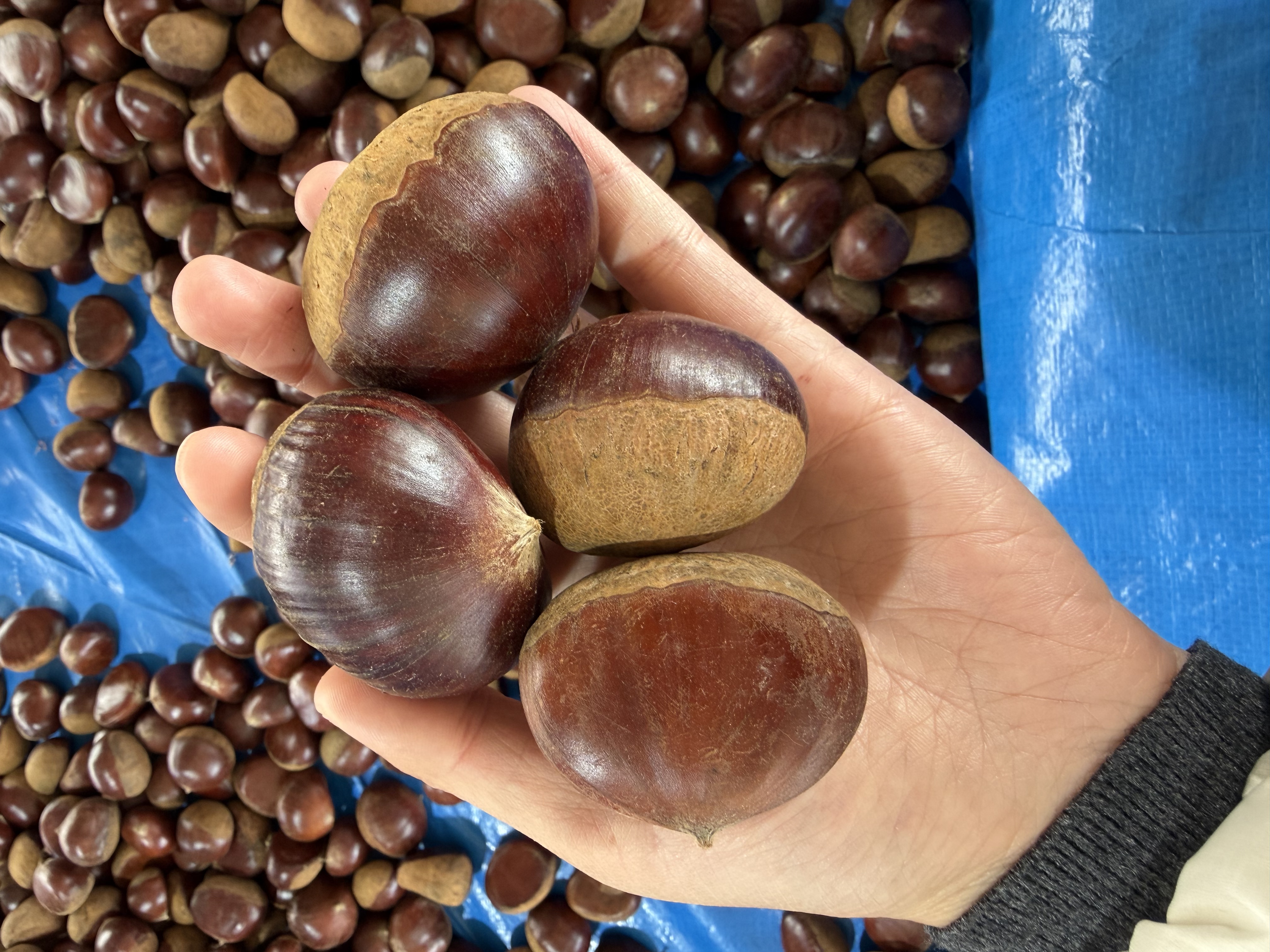
Depending on the cultivar and market requirements, suppliers may evaluate:
-
Whether the chestnuts have reached the expected maturity
-
Nut size and weight
-
Shell condition and appearance
-
Kernel development
-
Visible defects and insect damage
-
Mold or signs of deterioration
-
Suitability for the intended product or processing method
For export orders, buyers should agree on measurable quality criteria before shipment. Where appropriate, these can include size range, grading method, defect tolerance, packing specifications, and inspection procedures.
A harvest date should not be used as the sole proof of maturity or quality.
5. What Happens After Chestnuts Are Harvested?
Fresh chestnuts are perishable agricultural products. Appropriate post-harvest handling is important for maintaining quality during storage and international transportation.
A typical fresh chestnut supply workflow may include the following stages:
-
Harvest and collection: Collect chestnuts at the appropriate maturity stage.
-
Initial inspection: Remove unsuitable nuts and check for visible defects.
-
Cleaning and sorting: Prepare the crop according to the agreed product specification.
-
Grading: Separate chestnuts by the required size or commercial grade.
-
Packaging: Use packaging appropriate for the product, destination, and transport conditions.
-
Post-harvest storage: Apply suitable storage and temperature management based on the product condition and intended shipping period.
-
Export preparation: Complete required inspections and documentation, arrange loading, and coordinate shipment.
Actual procedures may vary according to the supplier's facility, product specification, destination-market requirements, and applicable export rules.
6. How Does Harvest Timing Affect Fresh Chestnut Exports?
For importers, harvest timing affects more than product availability. It also influences purchasing, packing, storage, and shipping decisions.
Product Availability
During the main harvest period, buyers may have more opportunities to compare origins, grades, and available volumes. Actual availability still depends on crop conditions and market demand.
Size and Grade Selection
Buyers requiring a specific size range or defect tolerance should communicate those requirements early enough for the supplier to assess crop availability and sorting capacity.
Packaging Arrangements
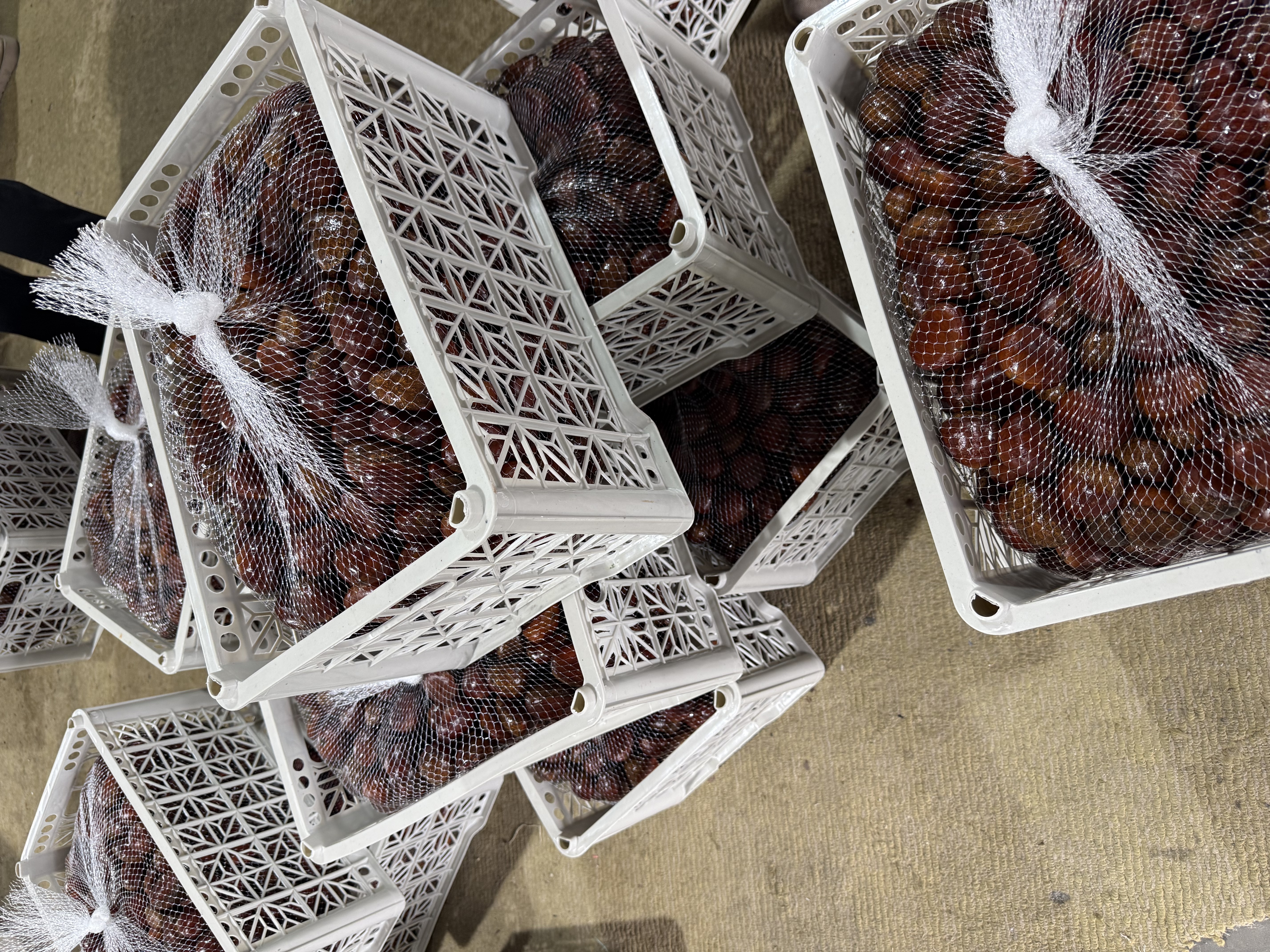
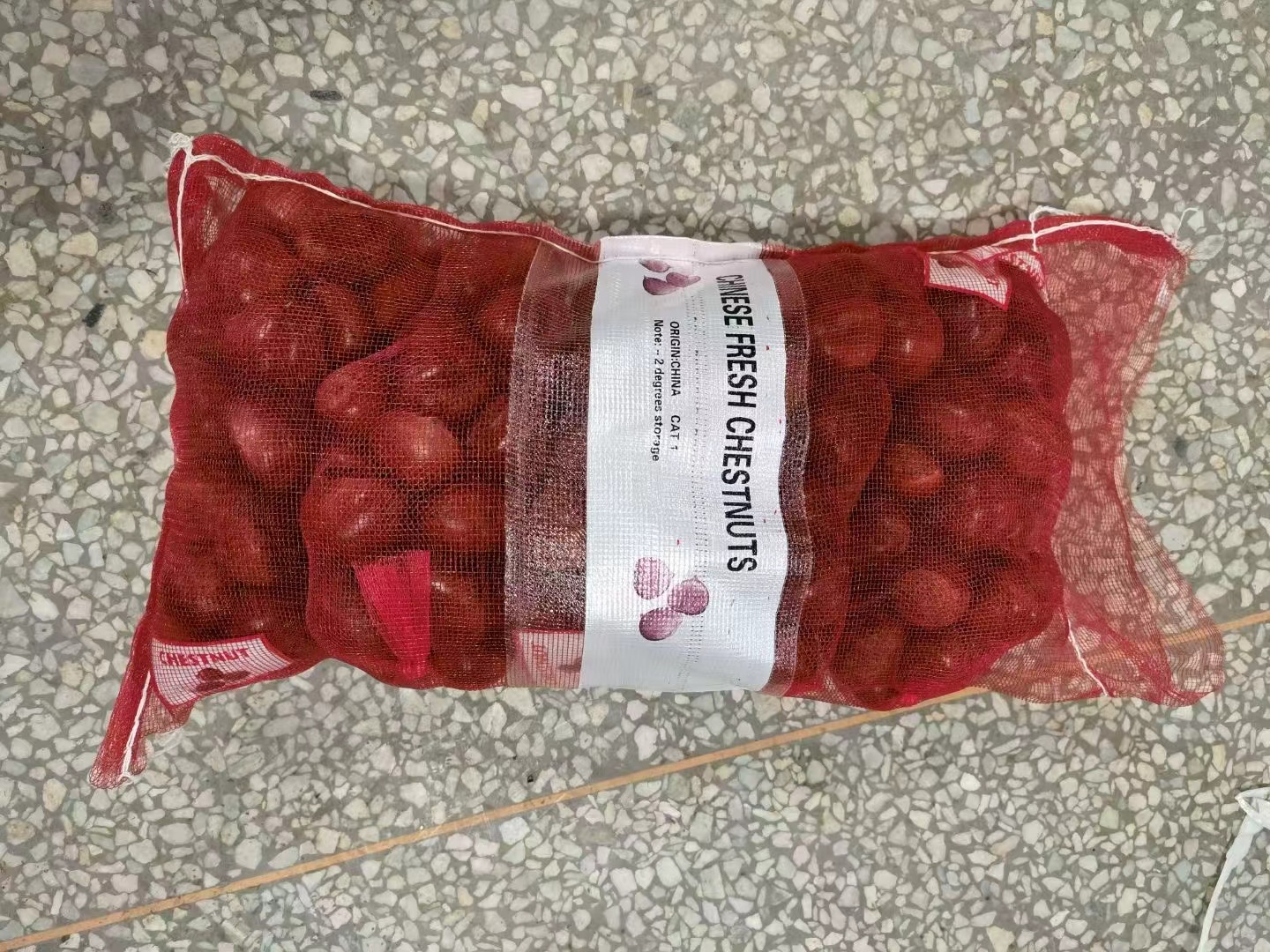
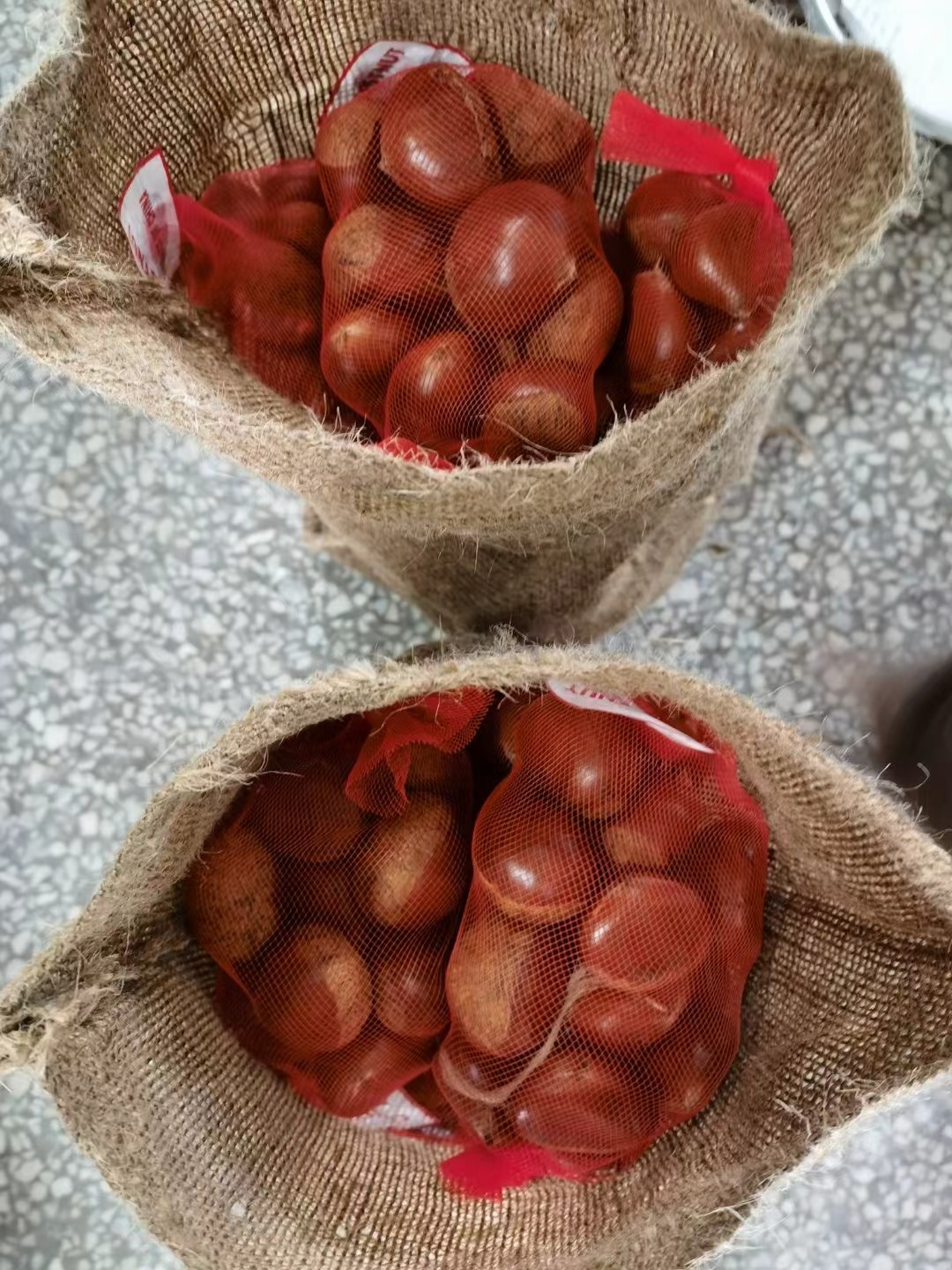
Retail packaging, bulk cartons, mesh bags, and other export formats may require different preparation schedules. Packaging details should be confirmed before the shipment date.
Cold-Chain Coordination
Fresh chestnuts may require temperature-managed storage and transportation. The appropriate temperature, ventilation, and other transport settings should be confirmed with the supplier and qualified cold-chain logistics provider based on the product condition and shipping route.
Export Documentation
Phytosanitary requirements, import permits, treatment requirements, and other documents depend on the destination market and applicable regulations. Buyers should verify these requirements before shipment rather than assuming the same rules apply to every country.
7. When Should Importers Place Orders for Chinese Chestnuts?
There is no single order date suitable for every buyer. The ideal purchasing schedule depends on the destination market, required volume, specifications, packaging, and shipping lead time.
A practical approach is to begin discussions before the expected local harvest window.
Before Harvest
Buyers can discuss:
-
Origin preferences
-
Target size and grade
-
Estimated volume
-
Packaging requirements
-
Expected shipping period
-
Destination-market requirements
During Harvest
Buyers can confirm actual crop availability, review samples where practical, finalize specifications, and coordinate packing and shipping schedules.
After Harvest
If chestnuts are held in storage, buyers should request confirmation of storage conditions, current product quality, available quantity, and the expected shipping date. Availability and condition should be assessed for the actual lot being purchased.
For large or recurring programs, a seasonal purchasing plan can help buyers coordinate orders with production, packaging, cold storage, and freight arrangements.
8. How a Multi-Origin Sourcing Strategy Can Help
Sourcing from more than one Chinese chestnut-producing region may give buyers additional flexibility when comparing harvest timing, product specifications, and supply availability.
For example, importers can evaluate Taishan, Qianxi, Qinglong, Dandong, and Jiaodong chestnuts according to their required quality and delivery schedules.
However, different origins should not be treated as automatically interchangeable. Each source should be assessed against the same agreed specifications, and any substitution should be approved by the buyer.
A practical sourcing strategy considers:
-
Current-season harvest progress
-
Origin and cultivar
-
Size and grading standards
-
Product quality
-
Available volume
-
Storage and handling
-
Packaging
-
Transportation and delivery schedules
9. How SinoValley Agro Group Supports Chestnut Sourcing
SinoValley Agro Group Co., Ltd. supplies chestnut products sourced from major Chinese production regions, with Taishan Chestnut as an important core origin.
The company's product categories include:
-
Fresh Chestnuts
-
IQF Frozen Chestnuts
-
Frozen Peeled Chestnuts
-
Ready-to-Eat Chestnuts
-
Roasted Chestnuts
-
Customized and private-label chestnut products
For fresh chestnut purchasing, buyers should communicate their required origin, size, grade, quantity, packaging, destination, and target shipping date.
SinoValley can then discuss current-season availability and product specifications according to the buyer's requirements. Harvest dates and shipment schedules should be confirmed for each order.
For international importers, planning around the harvest season and confirming product details early can help coordinate sourcing, packing, and export logistics more effectively.
Frequently Asked Questions About China's Chestnut Harvest Season
When is chestnut harvest season in China?
China's chestnut harvest season generally runs from late summer through autumn, often spanning August to November. The exact dates vary by region, cultivar, and annual weather conditions.
Which months are most important for Chinese chestnut harvesting?
September and October are important harvest and sourcing months for many northern Chinese chestnut-producing areas. The exact window depends on the origin and current-season conditions.
When are Taishan chestnuts harvested?
Taishan chestnuts are harvested according to local cultivar maturity and seasonal conditions. Buyers should confirm the current harvest start and expected supply window with their supplier.
When are Qianxi chestnuts harvested?
Qianxi chestnuts are generally harvested during autumn. Exact dates vary by cultivar, orchard, and weather conditions, so current-season confirmation is recommended.
Are chestnuts from all Chinese regions harvested at the same time?
No. Climate, elevation, cultivar, and local weather can cause harvest dates to differ between regions and even between orchards within the same region.
How does harvest timing affect fresh chestnut exports?
Harvest timing affects crop availability, maturity, grading, packing schedules, storage planning, and shipping arrangements. Importers should coordinate these factors before confirming an order.
Should buyers place orders before the harvest begins?
Early discussions are useful for confirming specifications, expected volumes, packaging, and shipping requirements. Final quantities and delivery dates should be based on actual crop availability.
Can fresh Chinese chestnuts be stored after harvest?
Yes, fresh chestnuts can be held under suitable post-harvest storage conditions. Storage performance depends on the product's condition, handling, temperature management, and storage duration.
How can importers maintain fresh chestnut quality during shipping?
Importers should agree on product specifications, packaging, storage conditions, and appropriate cold-chain arrangements with the supplier and logistics provider. Requirements should be tailored to the route and destination.
Which Chinese chestnut origin should importers choose?
The best origin depends on the intended application, required size and grade, quality specifications, current availability, and delivery schedule. Buyers should evaluate actual samples and specifications rather than relying on origin name alone.
Does SinoValley Agro Group supply fresh Chinese chestnuts?
SinoValley Agro Group supplies fresh chestnuts and other chestnut product formats. Buyers can discuss origin preferences, specifications, packaging, quantity, destination, and expected shipping dates to assess current availability.
Conclusion
China's chestnut harvest season generally extends from late summer through autumn, with important sourcing periods in September and October for many northern production areas. However, actual harvest timing varies by origin, cultivar, elevation, and annual weather conditions.
For international buyers, effective planning means more than knowing the harvest month. It requires confirming maturity, size, grade, quality, packaging, storage, export requirements, and shipping schedules.
By coordinating these factors early, importers and distributors can plan fresh Chinese chestnut purchases more effectively.
SinoValley Agro Group supports international buyers sourcing fresh, frozen, ready-to-eat, roasted, and customized chestnut products from China. Contact the team to discuss current-season availability and your chestnut sourcing requirements.