

# Chinese Chestnut Harvest Season 2026: Taishan, Qianxi and Yanshan Chestnuts
2026-08-29 10:00:00 SinoValleyChinese Chestnut Harvest Season 2026
The Chinese chestnut harvest season is an important period for fresh chestnut buyers, importers, wholesalers, and food manufacturers around the world.
In China, chestnuts generally mature and are harvested from late August through October, depending on the growing region, variety, and local climate conditions.
During the 2026 harvest season, chestnut orchards across major production regions enter their busiest period. Mature chestnut burrs naturally open on the trees, revealing the fresh nuts inside. Farmers then collect, sort, and prepare the chestnuts for post-harvest handling and, where applicable, international export.
This article takes a closer look at the 2026 Chinese chestnut harvest season, with a focus on three important chestnut origins: Taishan Chestnut in Shandong, Qianxi Chestnut in Hebei, and Yanshan Chestnuts in northern China.
From natural ripening in the orchard to harvesting and fresh chestnut supply, this guide shows how Chinese chestnuts move from growing regions to global markets.
Quick Answer
When is Chinese chestnut harvest season?
Chinese chestnuts are generally harvested from late August to October, depending on the growing region, variety, and weather conditions.
Where are Chinese chestnuts grown?
Major chestnut-growing regions include Shandong, Hebei, Liaoning, and other northern and eastern areas of China.
When are Taishan, Qianxi and Yanshan chestnuts harvested?
Harvest timing varies by location and variety, but the main harvest period generally falls between September and October.
How do you know when a chestnut is ready for harvest?
Mature chestnut burrs naturally open and the nuts inside become ready for collection. Farmers monitor maturity, appearance, and quality before harvesting.
When Is the Chinese Chestnut Harvest Season?
The Chinese chestnut harvest season generally runs from late August to October, although the exact timing varies between regions and chestnut varieties.
China has a large number of chestnut-growing areas, and differences in climate, elevation, temperature, rainfall, and variety can affect when chestnuts reach maturity.
In general, the harvest season can be divided into three stages:
Early Harvest: Late August to September
Some early-maturing chestnuts begin to reach harvest maturity in late August or early September.
At this stage, growers closely monitor the orchards as the chestnut burrs begin to change and naturally open. Early-season chestnuts can enter fresh markets soon after harvesting.
Peak Harvest: September to October
September and October are generally the main chestnut harvesting months in many Chinese production regions.
During this period, large quantities of mature chestnuts are collected from orchards, sorted, graded, and prepared for storage or further processing.
For fresh chestnut exporters, the peak harvest period is particularly important because sourcing, quality selection, storage, packaging, and logistics must be coordinated within a relatively short seasonal window.
Late Harvest: October
Some varieties and cooler growing regions may continue harvesting into October or later.
The exact harvest date depends on local growing conditions and the maturity of the specific variety rather than a fixed calendar date.
For this reason, professional chestnut suppliers monitor individual orchards and growing regions instead of relying solely on a standard harvest date.
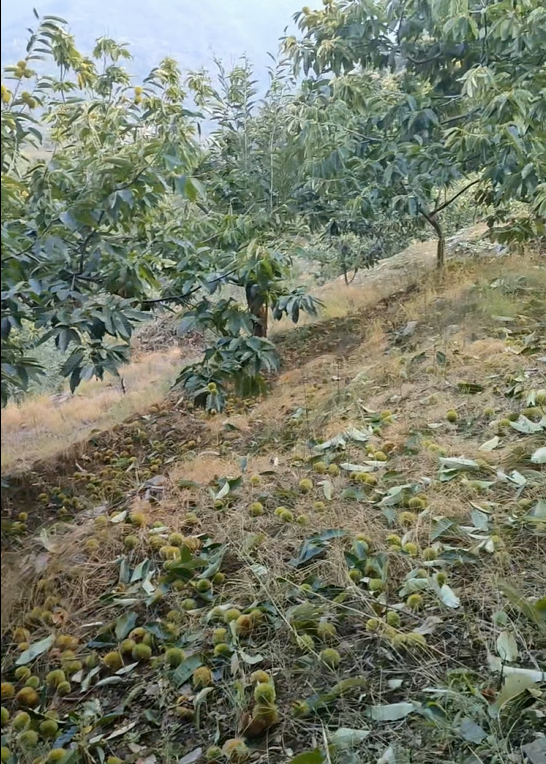
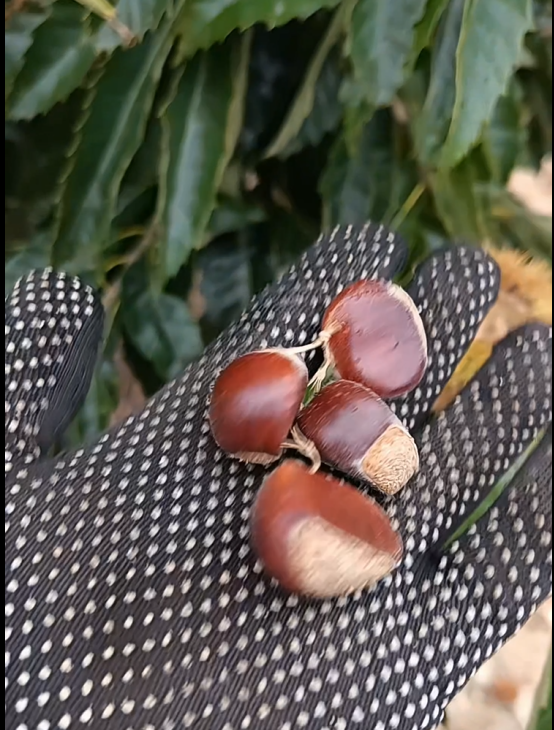
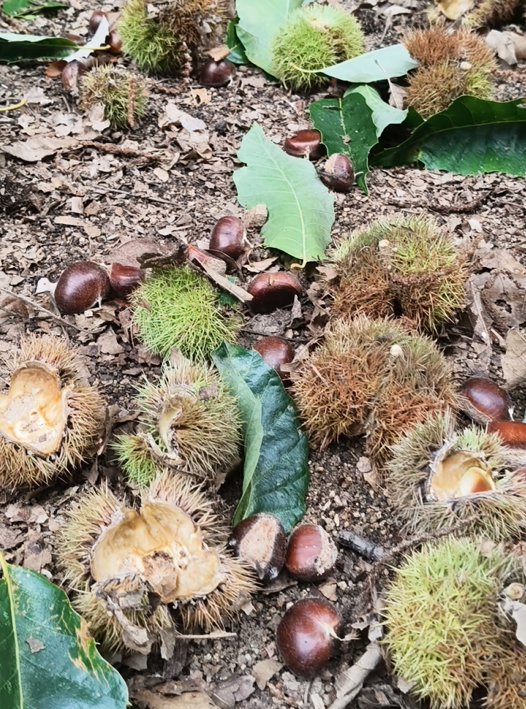
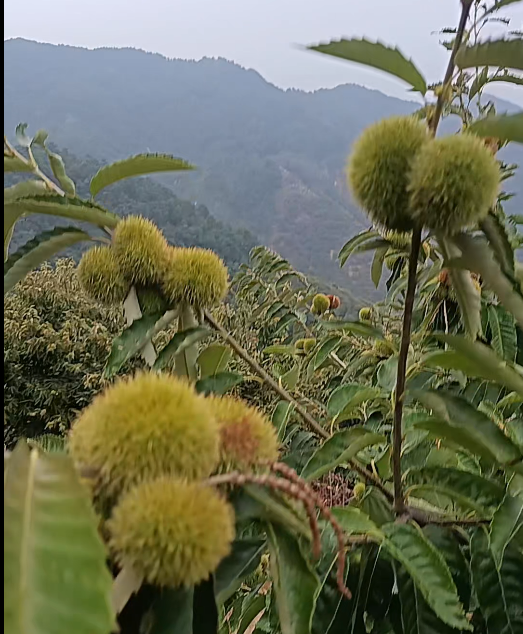
How Do Chestnuts Mature Before Harvest?
Chestnuts develop inside protective spiny burrs throughout the growing season. As the nuts mature, their size, color, texture, and internal quality gradually change until they reach the appropriate stage for harvesting.
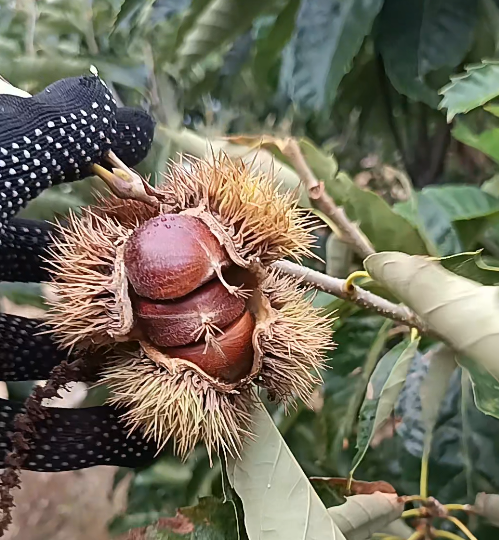
Unlike many fruits that are picked directly from branches, mature chestnuts often show a distinctive natural sign: the chestnut burr begins to split open, exposing the nuts inside. This is one of the important visual indicators growers use when determining harvest readiness.
1. Chestnuts Develop Inside Spiny Burrs
During the early stages of growth, chestnuts are enclosed inside green, densely spined burrs that protect the developing nuts.
As the growing season progresses:
-
The nuts gradually increase in size
-
The burrs develop and mature
-
The chestnut shells become darker and harder
-
The internal kernels accumulate natural sugars and dry matter
The exact development period varies according to the chestnut variety and growing region.
2. The Burr Changes as the Chestnut Matures
As maturity approaches, the green burr gradually changes in appearance and begins to dry.
When the nuts are close to harvest maturity, the burr can naturally split along its seams. The brown chestnut shell becomes visible through the opening.
This natural opening is an important visual sign that the chestnuts are approaching harvest.
3. Natural Opening Helps Determine Harvest Timing
Chestnuts are generally harvested when a significant number of mature burrs have naturally opened or when the nuts have reached the required maturity standard.
Farmers and professional suppliers consider several factors rather than relying on a single indicator:
-
Degree of burr opening
-
Chestnut appearance
-
Nut size
-
Shell condition
-
Kernel development
-
Weather conditions
-
Variety-specific maturity
Harvest timing is important because immature chestnuts may not have developed their desired flavor and texture, while delayed harvesting can increase exposure to moisture, pests, and other post-harvest risks.
4. From Natural Ripening to Orchard Harvest
Once mature chestnuts begin to open naturally, the nuts can fall from the trees or be collected from the orchard.
During the harvest period, workers gather the mature chestnuts and separate them from burrs, leaves, branches, and other foreign materials.
The freshly harvested chestnuts are then transferred for:
Collection → Sorting → Grading → Quality Inspection → Storage or Processing
For export-quality fresh chestnuts, careful handling immediately after harvest is essential for maintaining freshness and product quality.
5. Different Regions, Different Harvest Timing
China has diverse chestnut-growing regions, so maturity does not occur on exactly the same date everywhere.
For example, harvest timing for Taishan Chestnuts in Shandong, Qianxi Chestnuts in Hebei, and Yanshan Chestnuts in northern China can vary according to local climate, altitude, variety, and seasonal weather conditions.
This is why professional chestnut suppliers monitor actual orchard maturity rather than using a single fixed harvest date for all Chinese chestnuts.
From Tree to Fresh Chestnut Supply
The natural opening of a mature chestnut burr marks an important transition from orchard growth to the post-harvest supply chain.
Once harvested, fresh chestnuts must be carefully sorted, graded, stored, packaged, and transported according to their intended market.
For international buyers, understanding this natural maturity process provides useful context when evaluating the harvest season, freshness, origin, and supply timing of Chinese chestnuts.
Taishan Chestnut Harvest — Shandong, China
Taishan Chestnut is one of the traditional chestnut varieties associated with Shandong Province in eastern China. The chestnut-growing areas around Mount Tai have a long history of chestnut cultivation and are an important source of fresh Chinese chestnuts.
The main Taishan chestnut harvest generally takes place from September to October, although the exact timing can vary depending on the variety, orchard location, weather conditions, and annual growing season.
What Does Taishan Chestnut Look Like During Harvest?
During the growing season, Taishan chestnuts develop inside green, spiny burrs on the trees. As the nuts mature, the burrs gradually change and eventually begin to open naturally.
When mature burrs split open, the brown chestnut shells become visible. This natural opening is one of the important signs that the chestnuts are approaching harvest maturity.
During the harvest season, farmers collect mature chestnuts from the orchard and remove unsuitable materials before the nuts enter the next stage of sorting and quality control.
Characteristics of Taishan Chestnut
Taishan chestnuts are valued for characteristics commonly associated with high-quality Chinese chestnuts, including:
-
Naturally sweet flavor
-
Fine and relatively soft texture
-
Rich chestnut aroma
-
Good eating quality
-
Versatility for fresh consumption and processing
These characteristics make Taishan chestnuts suitable for both fresh markets and various chestnut-based food applications.
Taishan Chestnut and Fresh Chestnut Supply
For international buyers, the harvest period is an important part of fresh chestnut sourcing.
After harvesting, suitable chestnuts can be sorted and graded according to customer requirements before entering post-harvest storage, packaging, and export preparation.
A reliable supplier needs to coordinate orchard sourcing, quality selection, storage, packaging, and logistics during the relatively short harvest season.
SinoValley Agro Group works with chestnut-growing regions in China and supplies fresh Chinese chestnuts for international markets, including Taishan Chestnut from Shandong.
Qianxi Chestnut Harvest — Hebei, China
Qianxi Chestnut is one of the best-known Chinese chestnut origins from Hebei Province. Qianxi County has a long tradition of chestnut cultivation and is widely associated with high-quality chestnuts in China.
The main Qianxi chestnut harvest generally takes place during September and October, with the exact harvest period varying according to the annual climate, orchard conditions, and chestnut variety.
How Qianxi Chestnuts Mature
Qianxi chestnuts grow inside protective spiny burrs throughout the growing season.
As the chestnuts mature, the burrs gradually change and naturally split open. The brown shells of the mature nuts become visible, providing an important indication that the chestnuts are approaching harvest.
During the harvest period, mature chestnuts are collected from the orchards and separated from burrs, leaves, branches, and other foreign materials.
Characteristics of Qianxi Chestnuts
Qianxi chestnuts are particularly known for their naturally sweet flavor and good roasting and eating characteristics.
Depending on the specific variety and grade, Qianxi chestnuts may be supplied for:
-
Fresh consumption
-
Roasted chestnuts
-
Food processing
-
Frozen chestnut products
-
International markets
For buyers, product specifications such as size, grading standard, appearance, and intended application should be confirmed with the supplier before ordering.
From Qianxi Orchards to International Markets
Once harvested, export-quality Qianxi chestnuts go through sorting, grading, quality inspection, and appropriate post-harvest handling.
For fresh export, maintaining suitable storage and transportation conditions is essential for preserving product quality during international shipment.
The combination of a recognized growing origin and professional post-harvest management is important when selecting Qianxi chestnuts for international markets.
Yanshan Chestnut Harvest — Northern China
The Yanshan Mountain region is another traditional chestnut-growing area in northern China. Chestnuts cultivated around the Yanshan Mountains are closely associated with the broader chestnut-producing areas of northern Hebei and surrounding regions.
The region's cooler northern climate and seasonal temperature changes create suitable conditions for chestnut cultivation.
Yanshan Chestnut Harvest Season
Yanshan-area chestnuts are generally harvested during September and October, although the exact timing depends on the specific growing location, variety, and weather conditions.
As the chestnuts mature, the spiny burrs gradually open naturally. Once mature chestnuts become ready for collection, growers begin harvesting and transferring the nuts for sorting and post-harvest handling.
Characteristics of Chestnuts from the Yanshan Region
Chestnuts from the Yanshan growing region can offer characteristics valued in fresh and processed chestnut markets, including:
-
Natural sweetness
-
Distinctive chestnut aroma
-
Firm outer shell
-
Good kernel quality
-
Suitability for fresh consumption and processing
Actual product characteristics can vary according to variety, orchard conditions, harvest timing, and grading standards.
Yanshan Chestnuts in the Chinese Supply Chain
The Yanshan region forms part of China's broader northern chestnut production network.
After harvesting, chestnuts may enter local sorting, grading, storage, processing, and distribution systems. Export-oriented suppliers then coordinate product selection, packaging, storage, documentation, and international logistics according to the requirements of the destination market.
For international buyers, the growing region is only one part of product quality. The supplier's ability to control sourcing, grading, storage, quality inspection, and export logistics is equally important.
Taishan, Qianxi and Yanshan Chestnuts at a Glance
| Chestnut Origin | Main Growing Area | Typical Harvest Period | Common Characteristics | Common Applications |
|---|---|---|---|---|
| Taishan Chestnut | Shandong, Eastern China | September–October | Naturally sweet, fine texture, rich aroma | Fresh consumption, roasting, processing |
| Qianxi Chestnut | Hebei, Northern China | September–October | Sweet flavor, good eating and roasting quality | Fresh consumption, roasting, processing |
| Yanshan Chestnut | Northern China, Yanshan region | September–October | Natural sweetness, distinctive aroma, good kernel quality | Fresh consumption, processing |
Harvest timing and product characteristics can vary depending on variety, orchard location, climate, annual weather conditions, and grading standards. Buyers should confirm current-season specifications with their supplier before placing an order.